
Paper & Non-Woven Bag Samples Made on ZHENGWEI Machines
Every bag on this page came off a ZHENGWEI line. Hover any panel below to see the machine behind it, or scroll for the full sample library — grouped by handle type and bag width, because those two answers are what decide the model.
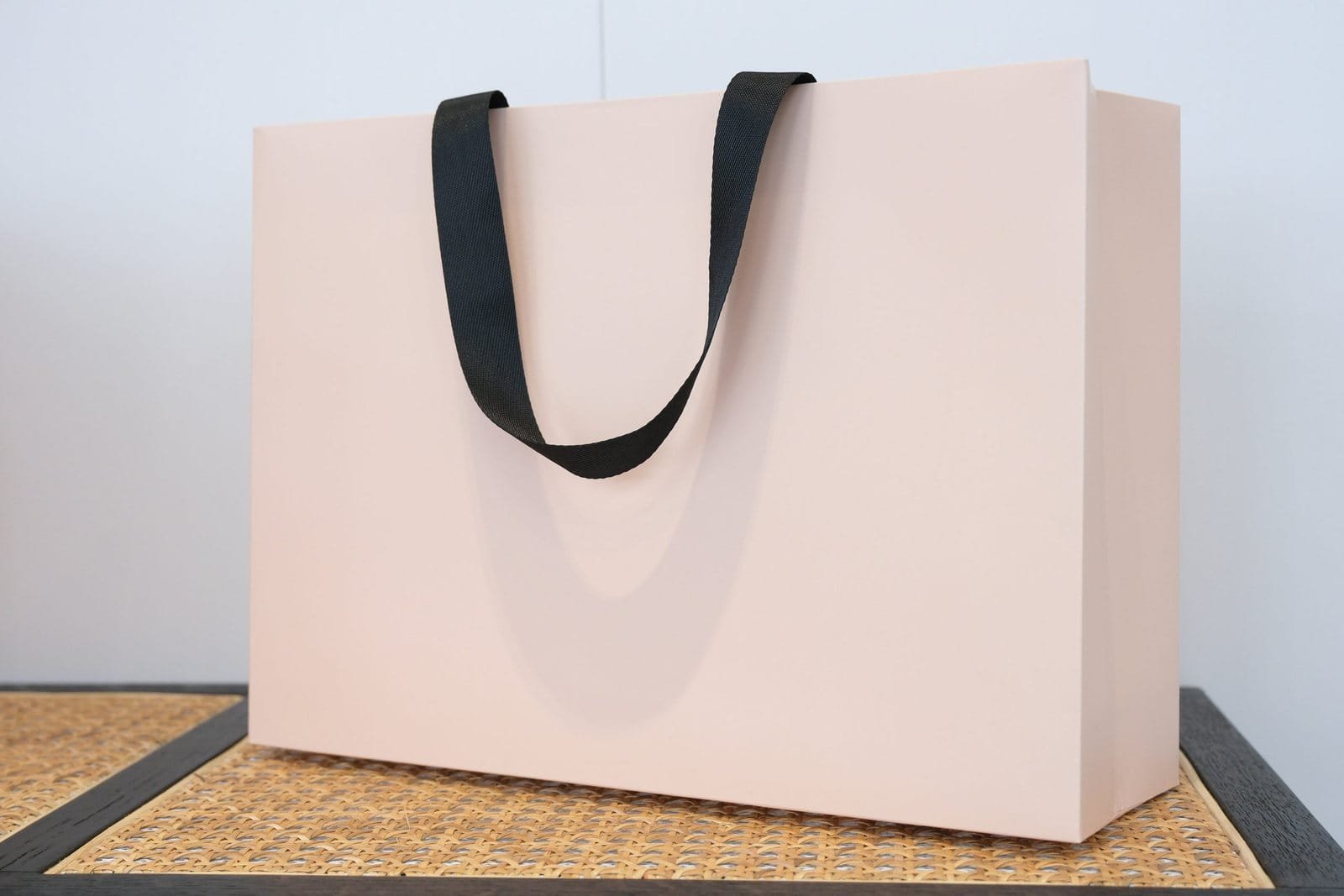
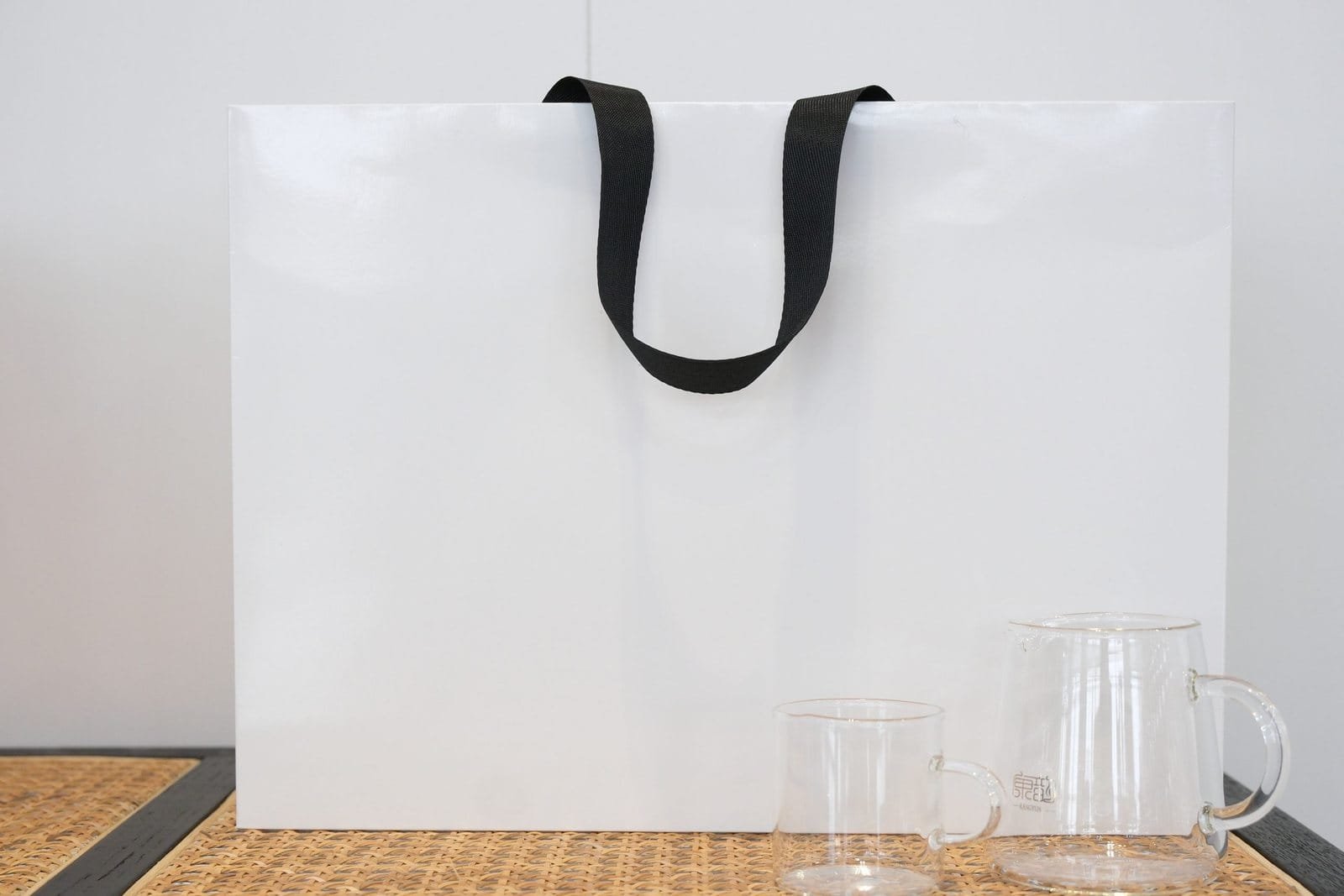
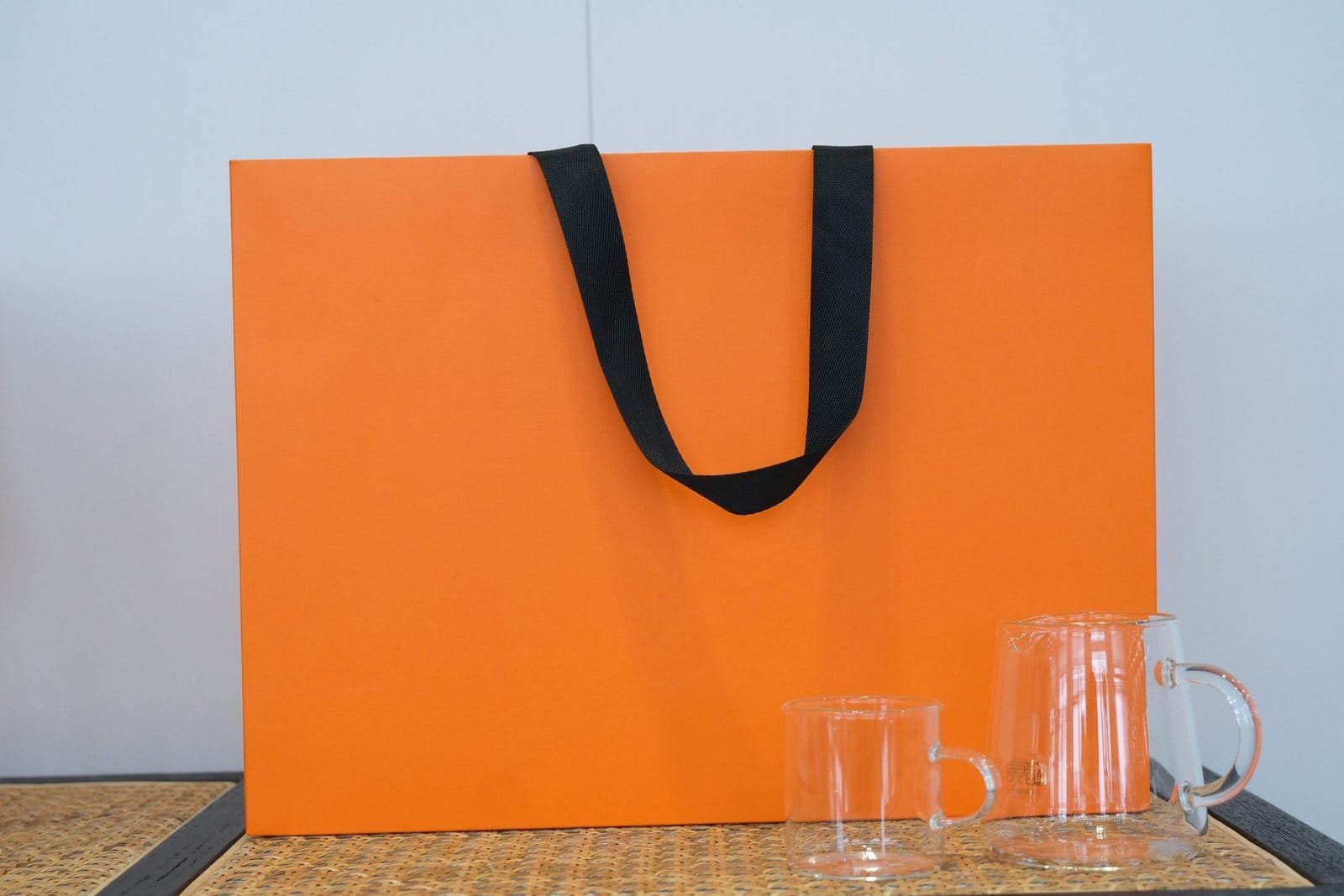
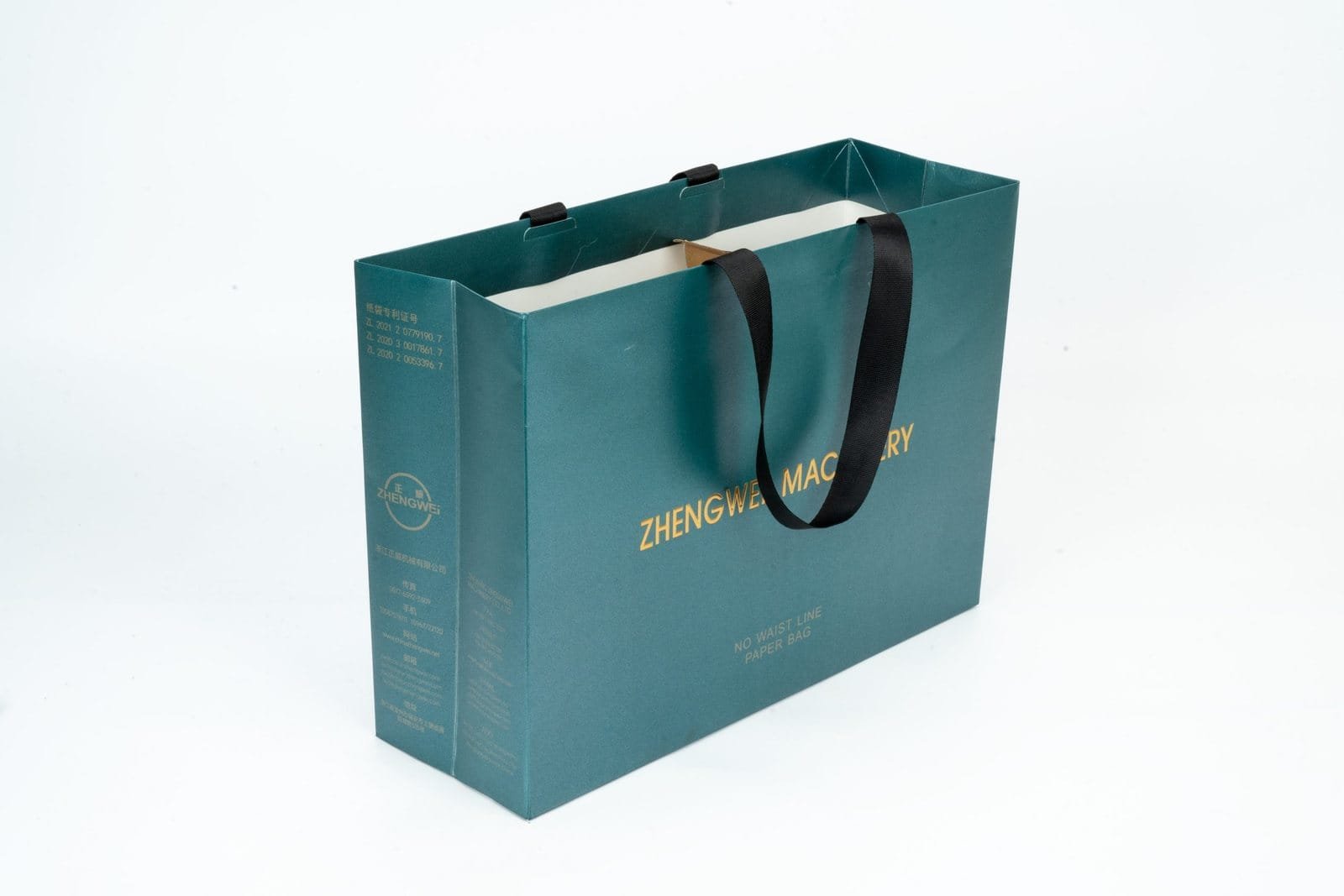
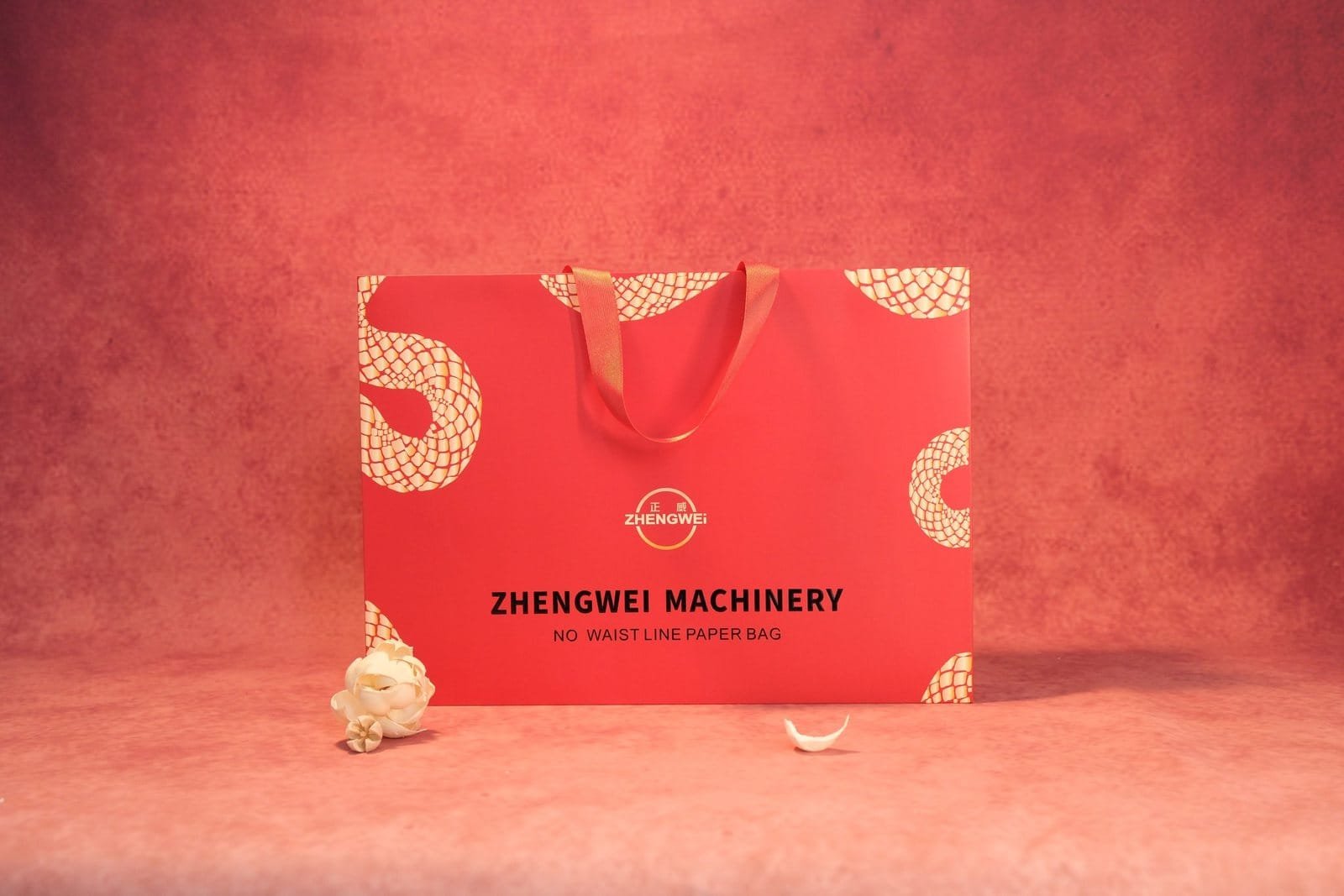
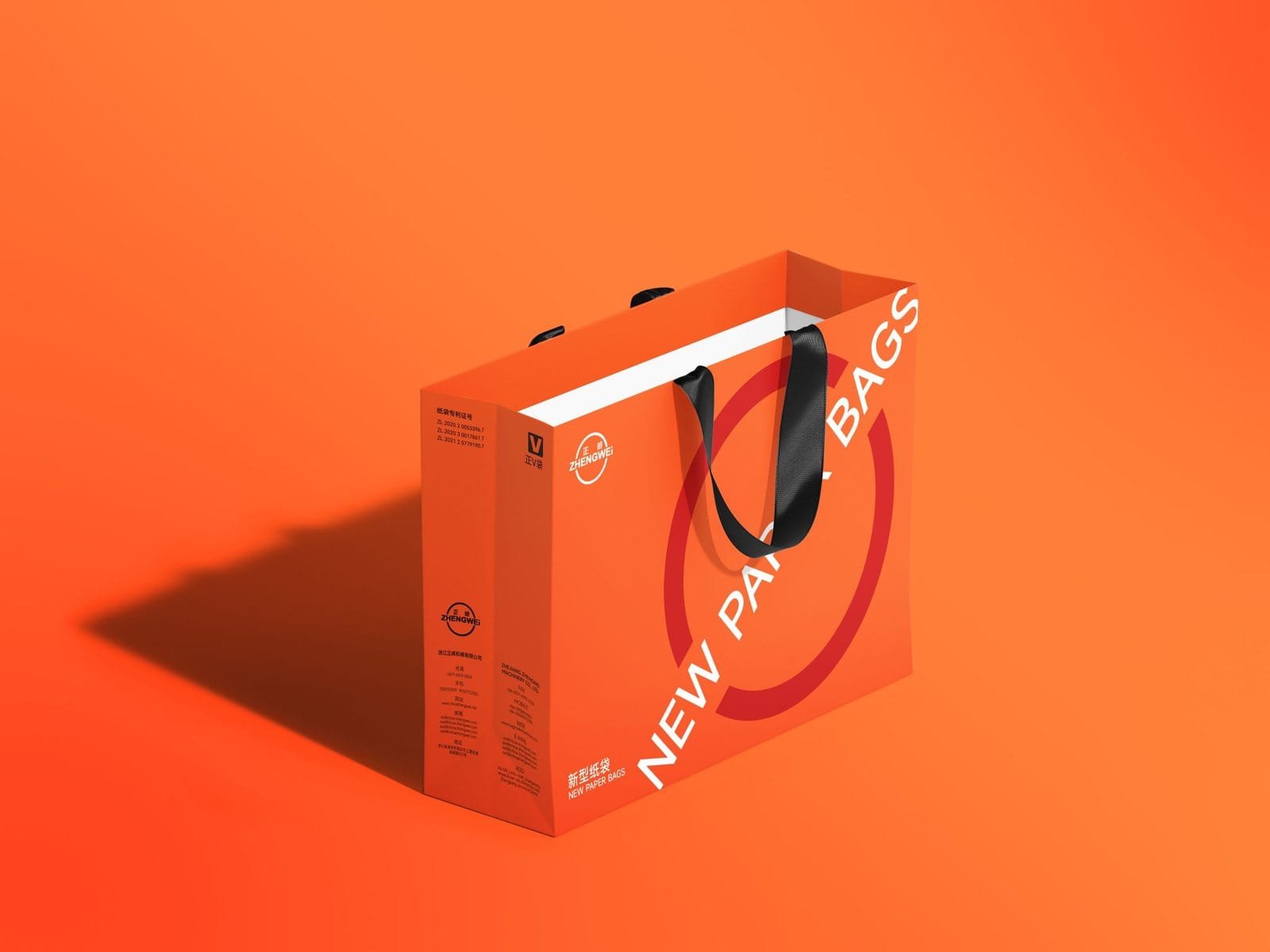
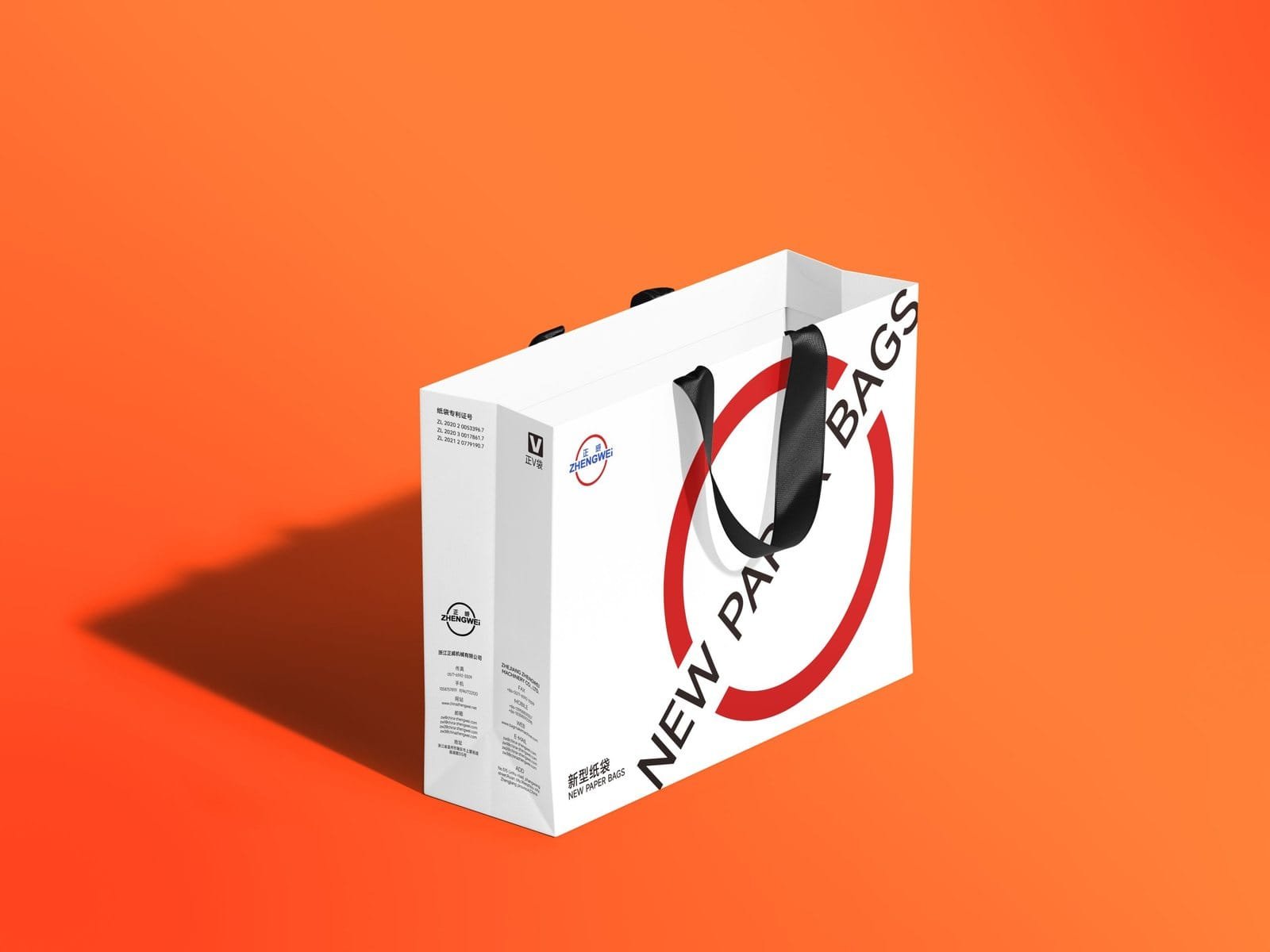
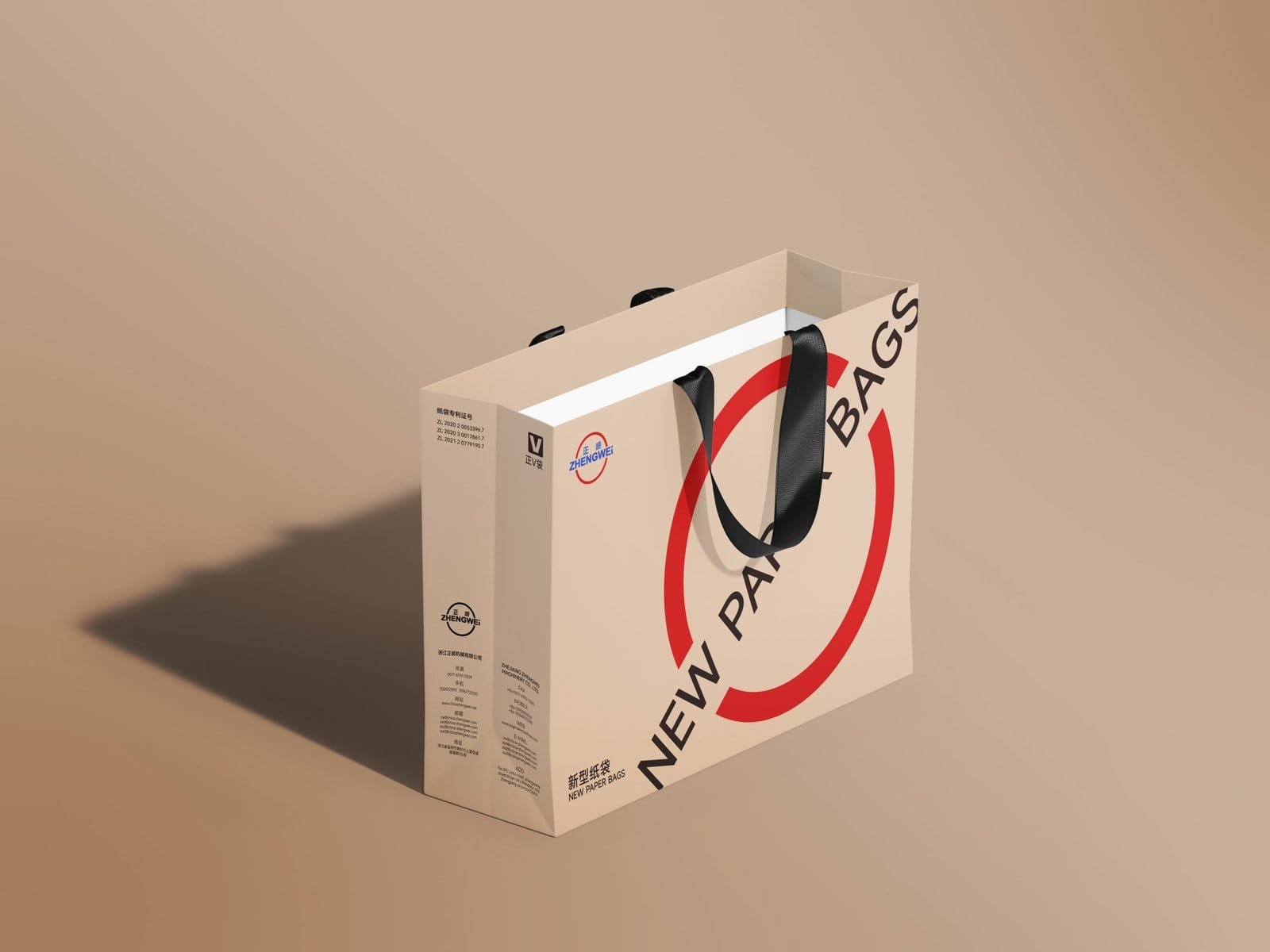
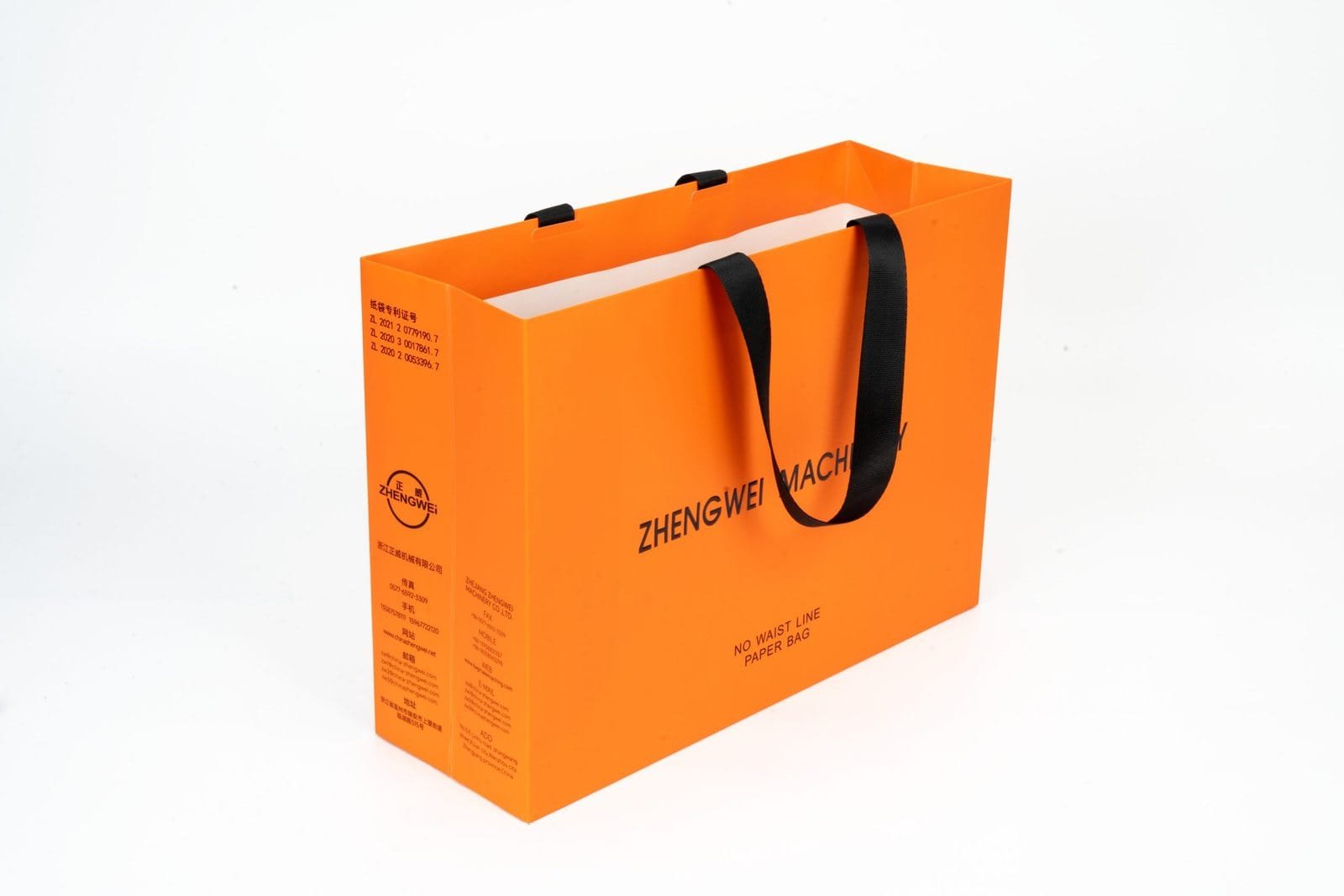
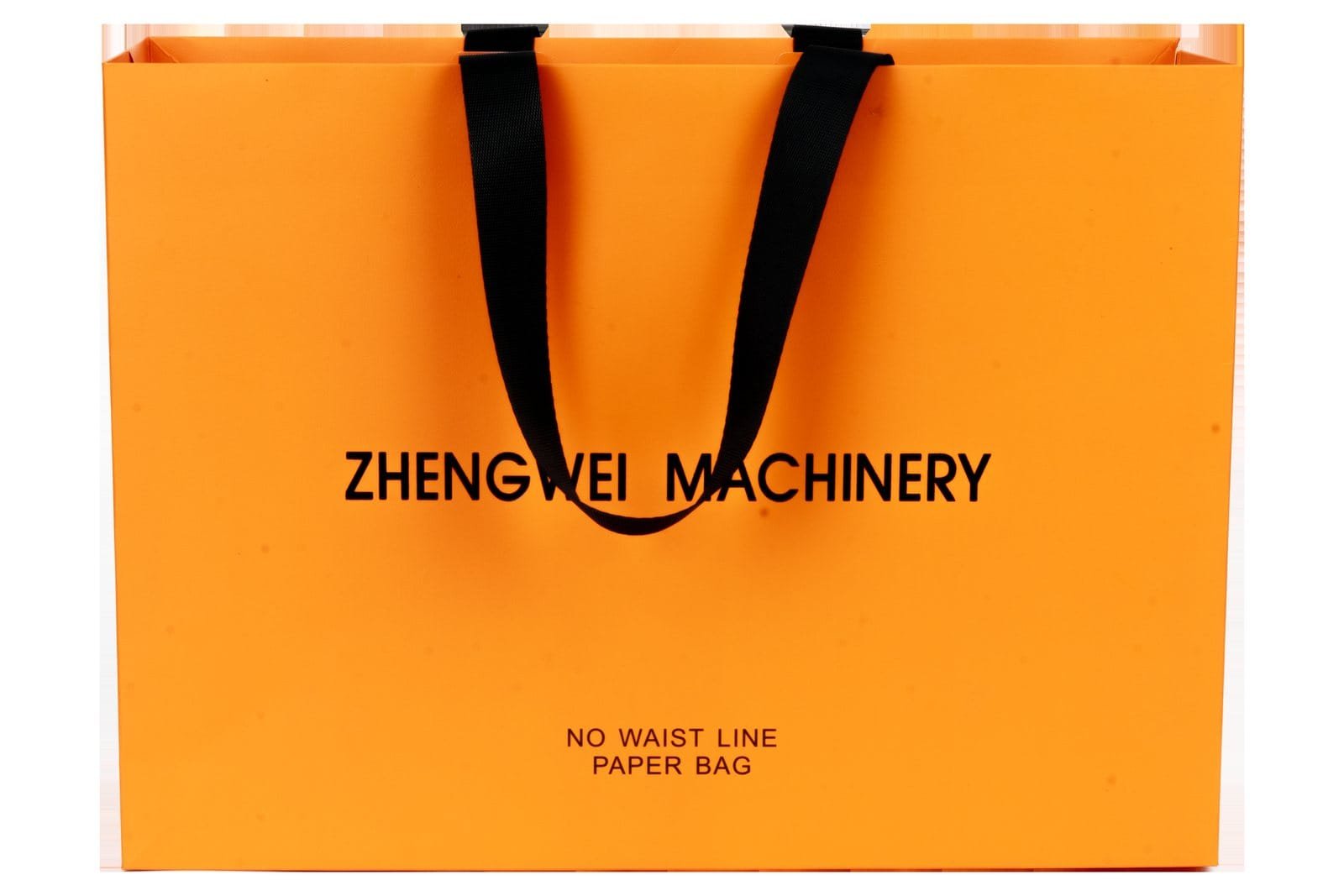
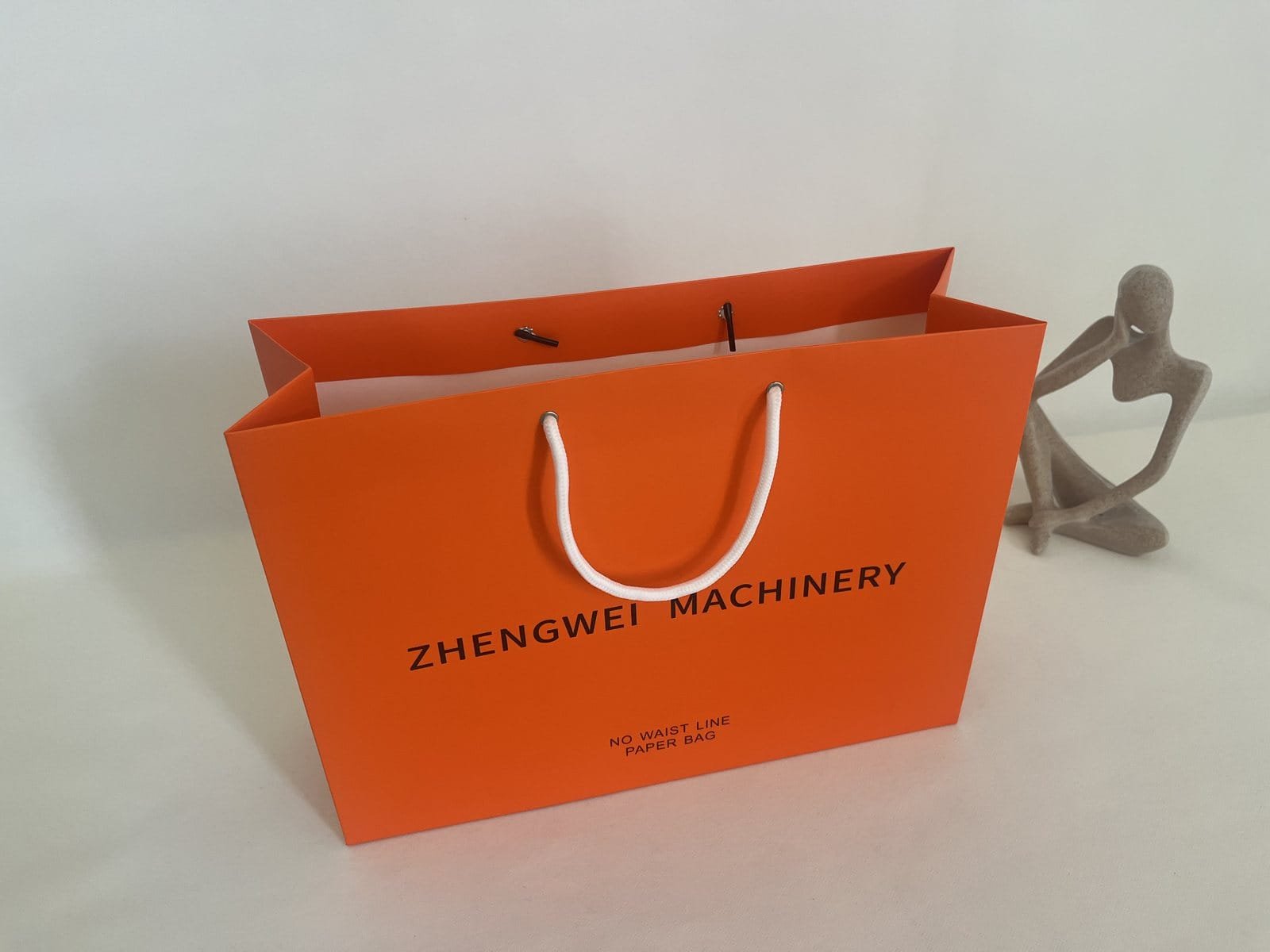
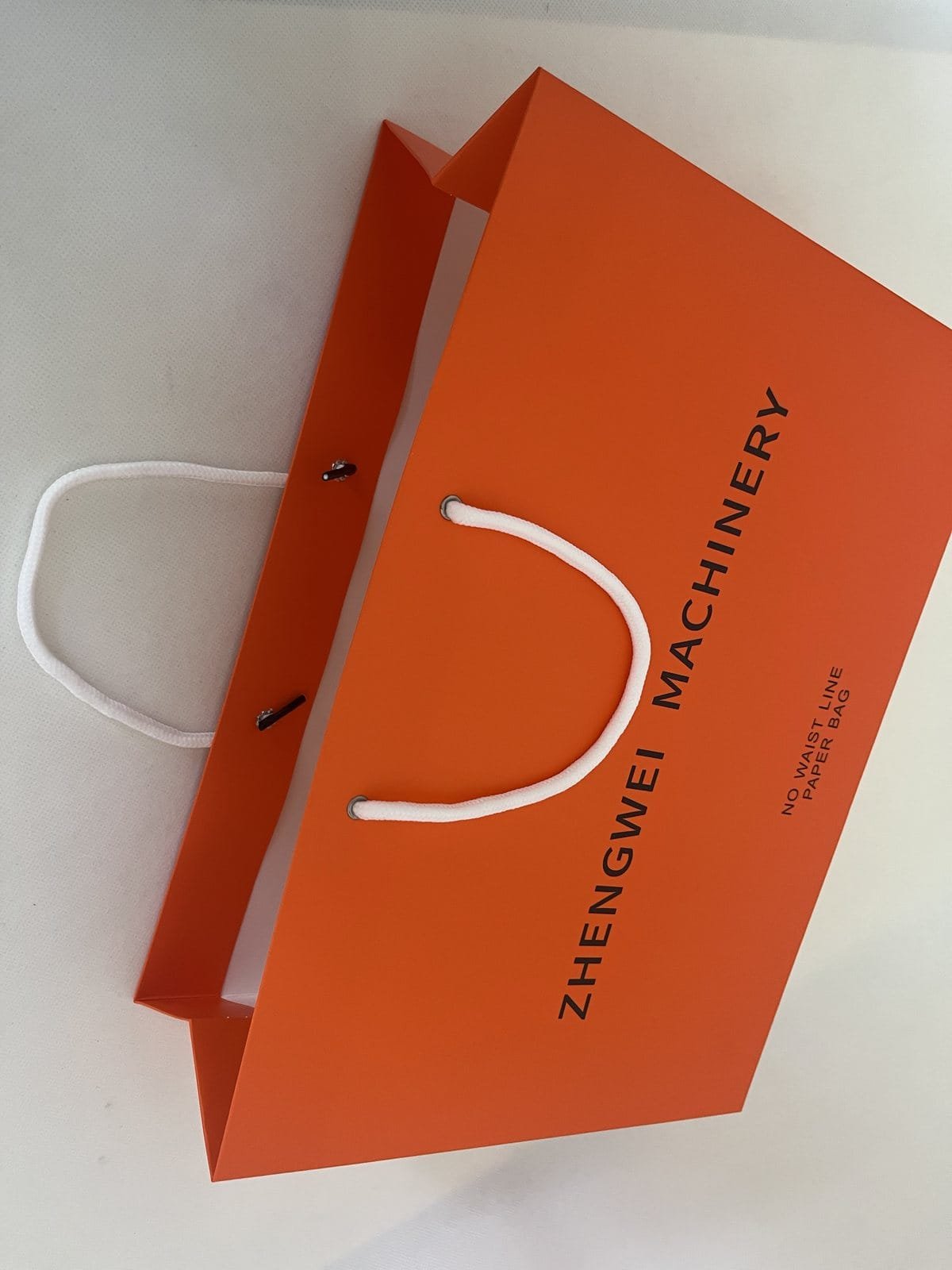
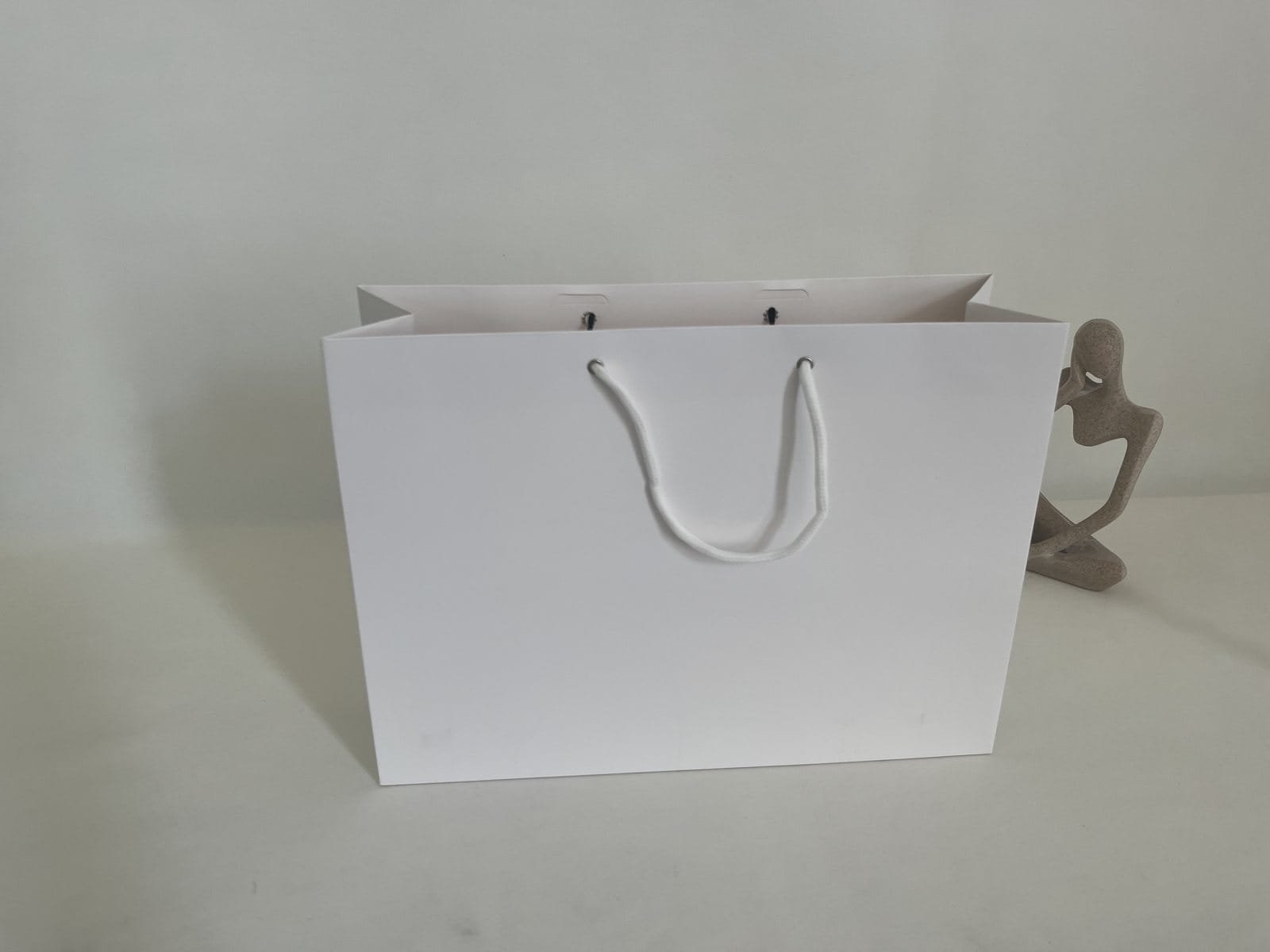
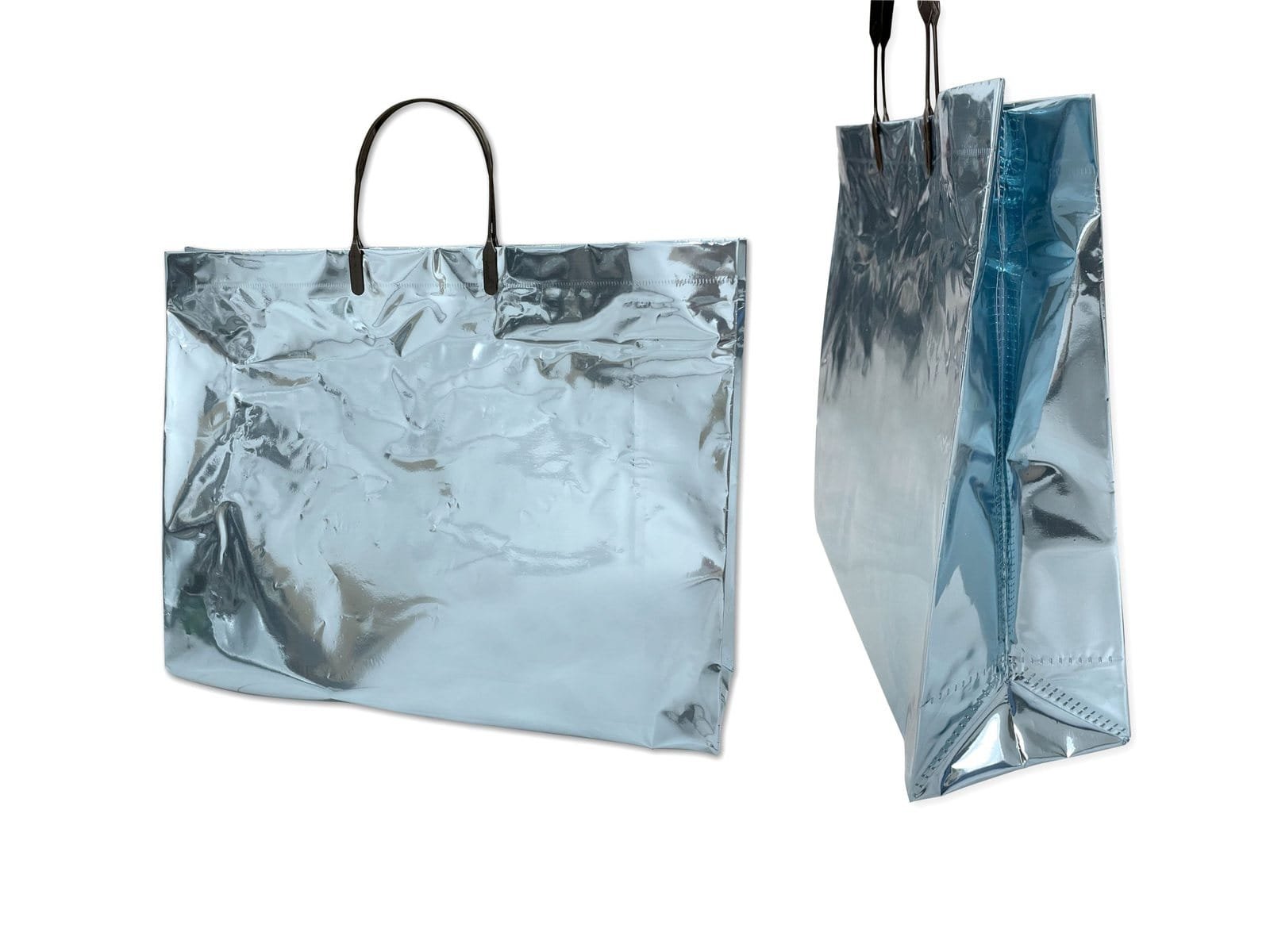
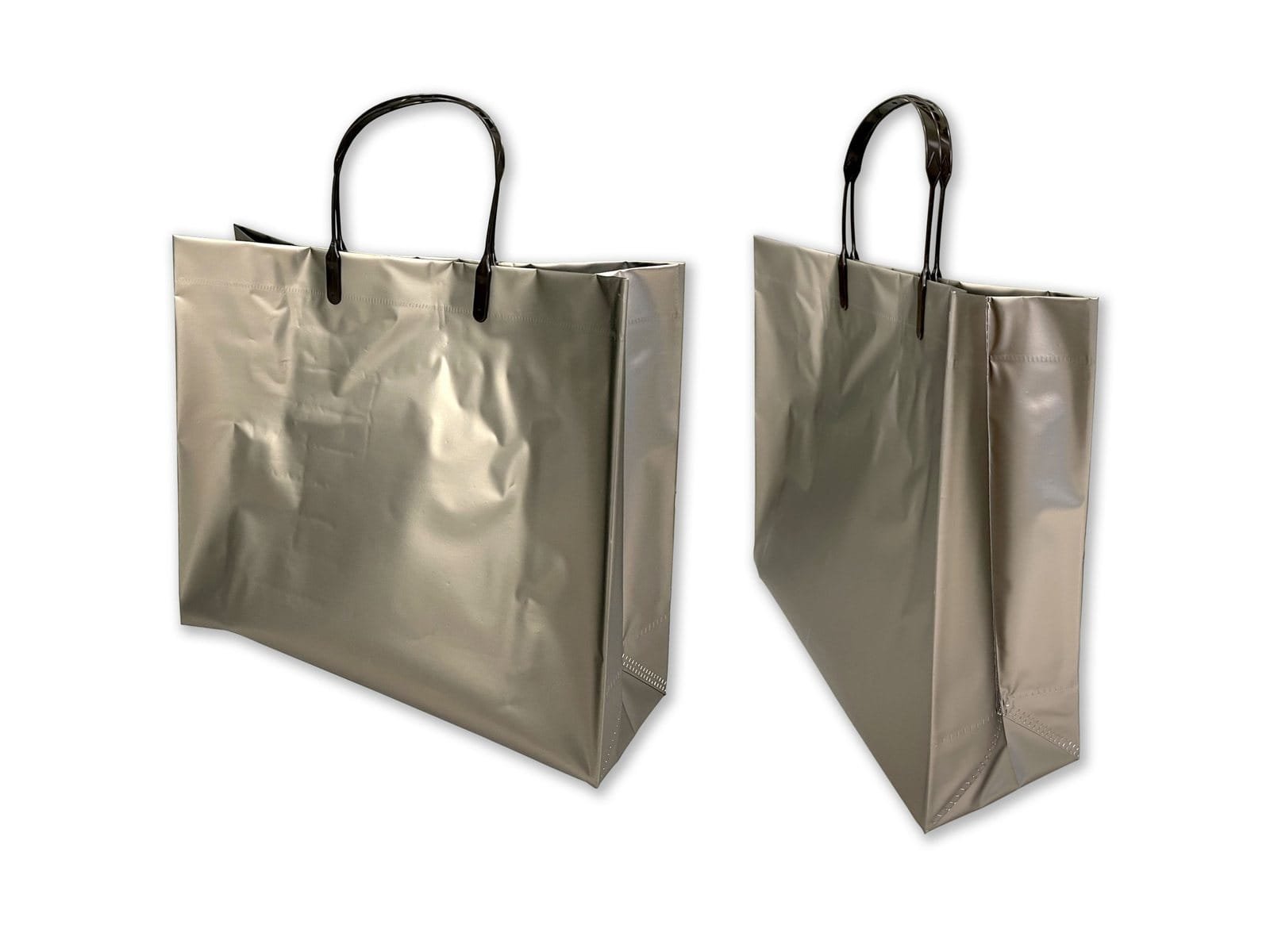
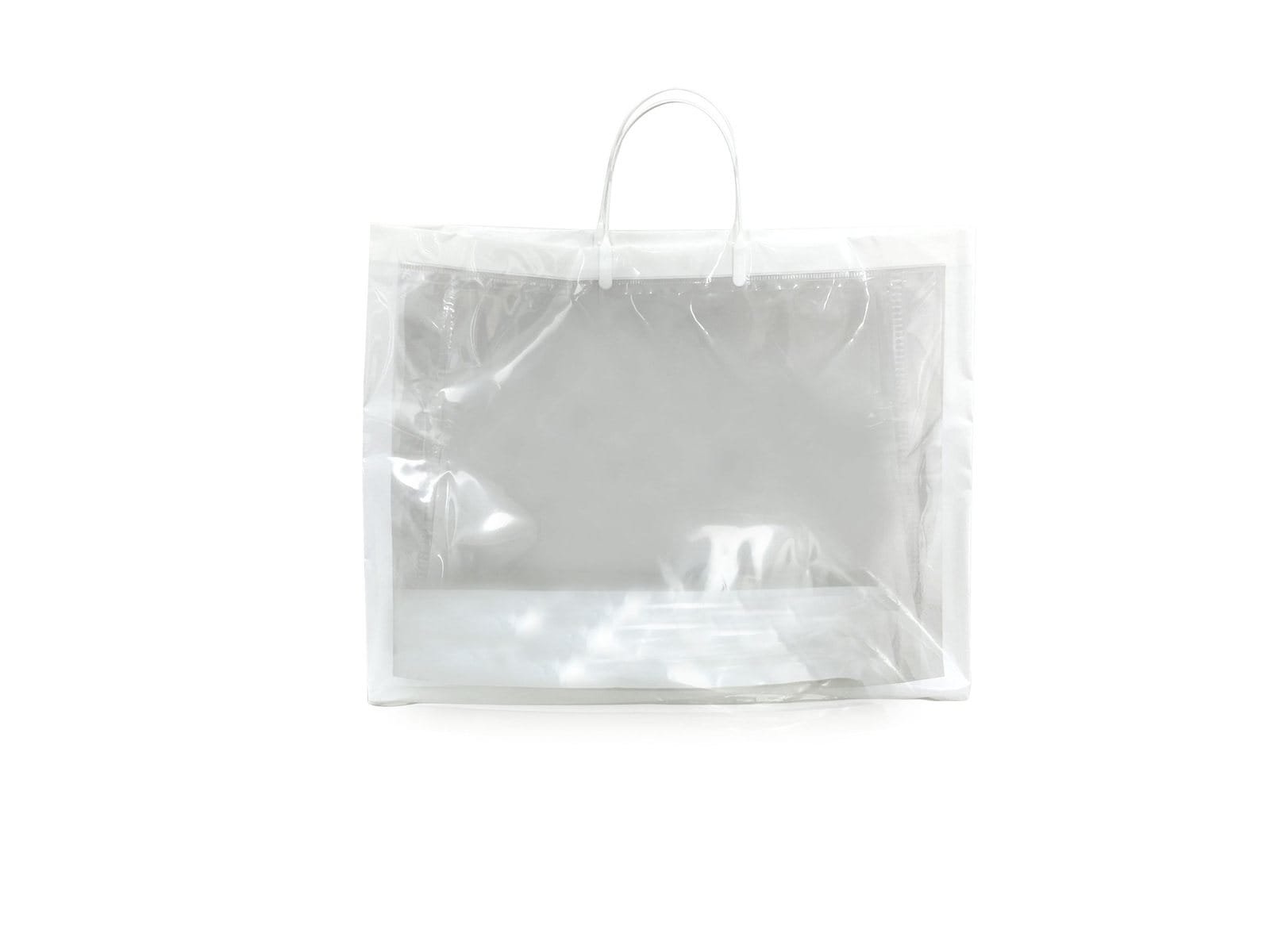
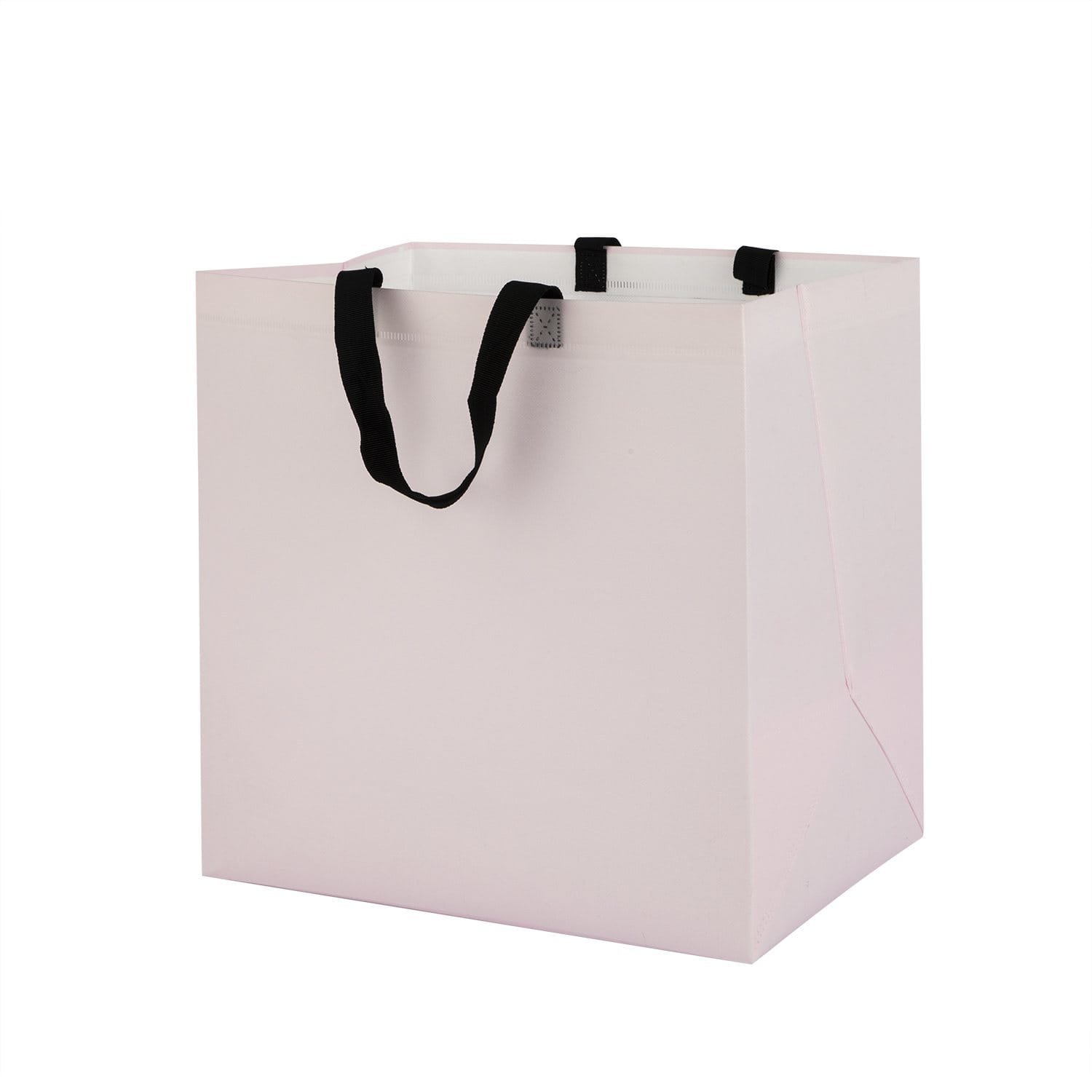
Photographs beat spec sheets when the finish is the product. These are real bags shot as they came off the line: no renders, no retouched seams. If you want one in your hands before you decide, we ship physical samples free.
Start from what you sell
Five segments cover most of what buyers bring us. Hover a band to see which machine produces that bag; click through for the full specification. Segment imagery is illustrative — the sample photographs further down are actual production bags.
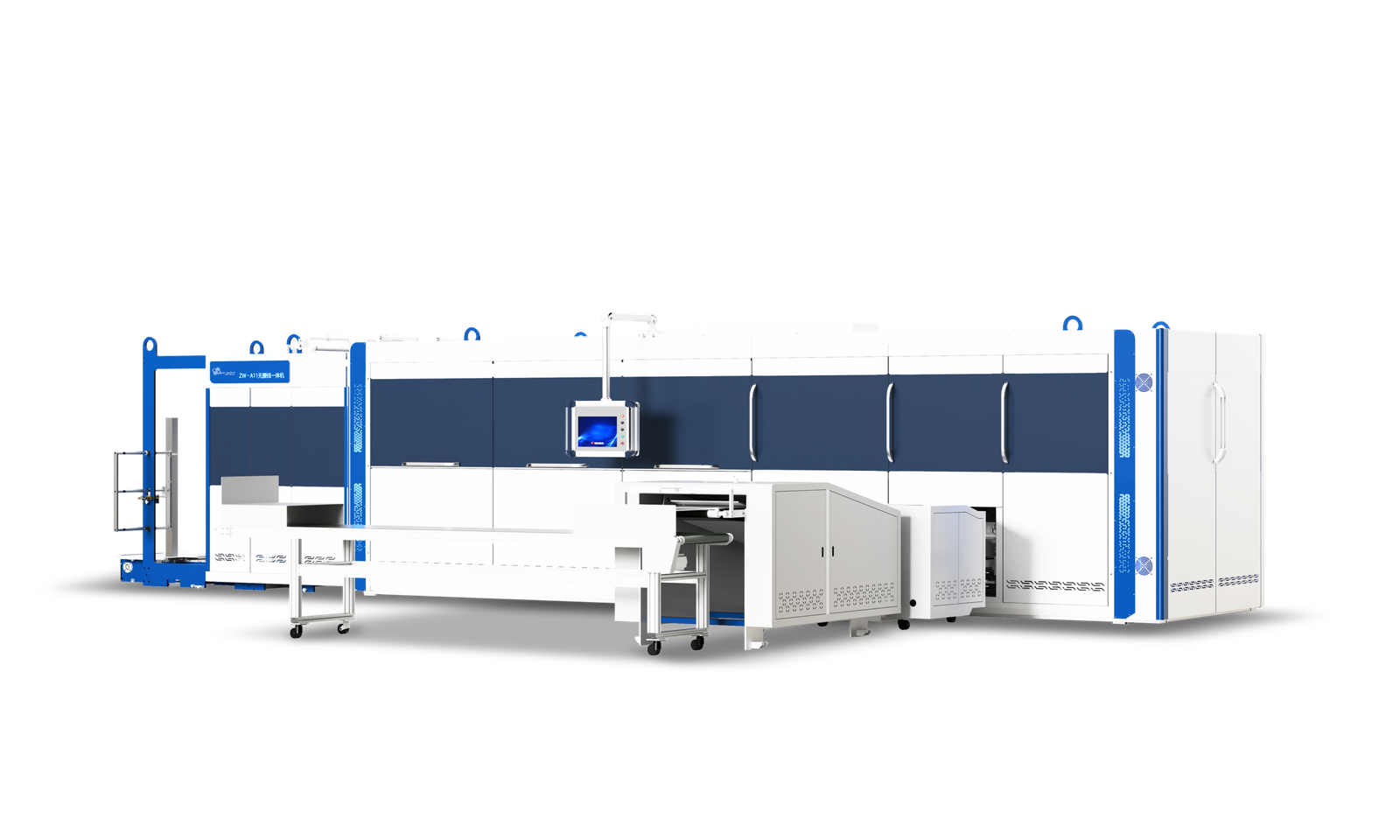 ZW-A11 · flat rope handle, 200–540 mm, 40–45 /min
View machine →
ZW-A11
Gift & Wine
Twisted rope handles knotted inside the mouth, on heavier stock that has to carry a bottle without the base bowing. A compact 7 × 7 m footprint makes this the machine to add when gift season is the whole business case.
ZW-A11 · flat rope handle, 200–540 mm, 40–45 /min
View machine →
ZW-A11
Gift & Wine
Twisted rope handles knotted inside the mouth, on heavier stock that has to carry a bottle without the base bowing. A compact 7 × 7 m footprint makes this the machine to add when gift season is the whole business case.
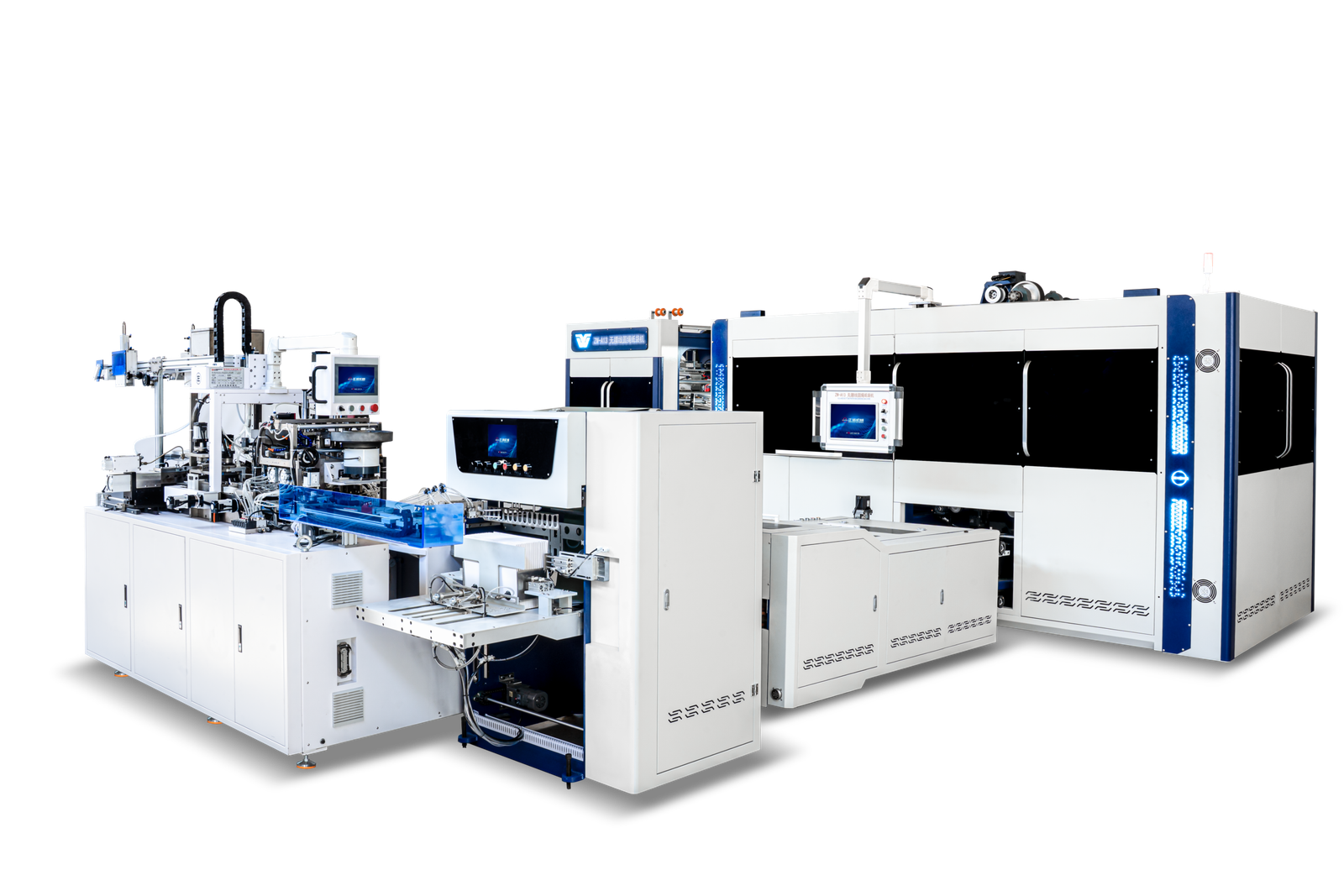 ZW-A13 · round twisted rope, 200–500 mm, 40–45 /min
View machine →
ZW-A13
Food Service & Small Format
Takeaway and counter bags live at the narrow end of the range, where most luxury machines cannot go. From 150 mm wide, so a bakery or dessert brand gets the same seamless body on a bag a fraction of the size.
ZW-A13 · round twisted rope, 200–500 mm, 40–45 /min
View machine →
ZW-A13
Food Service & Small Format
Takeaway and counter bags live at the narrow end of the range, where most luxury machines cannot go. From 150 mm wide, so a bakery or dessert brand gets the same seamless body on a bag a fraction of the size.
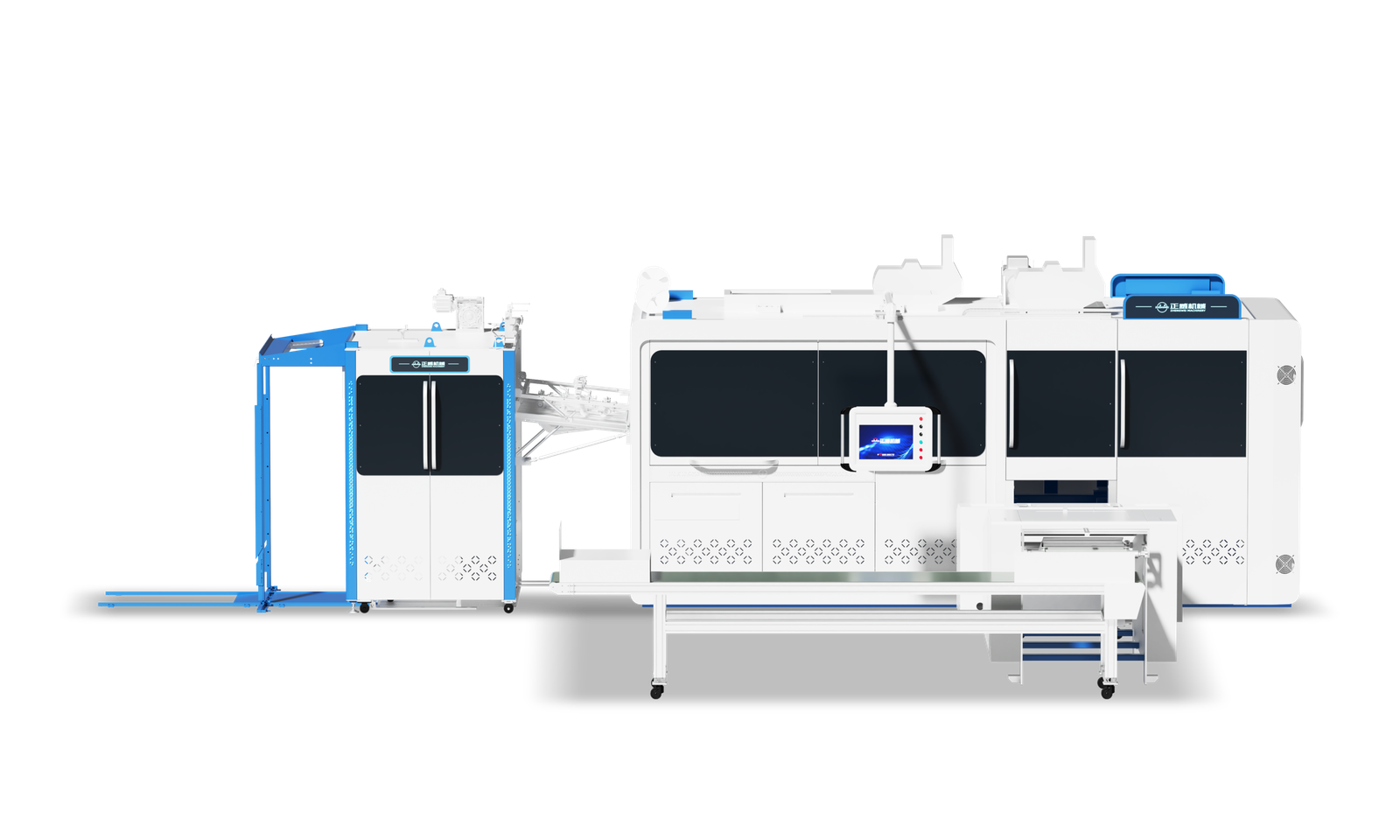 ZW-A10 MINI · flat rope handle, 150–300 mm, 40–45 /min
View machine →
ZW-A10 MINI
Supermarket & E-commerce
Grocery and fulfilment bags are wide, deep and ordered by the container. Up to 600 mm across and 300 mm of gusset, with the trade-off stated plainly: 35–38 bags a minute rather than 45, because the sheet is that much bigger.
ZW-A10 MINI · flat rope handle, 150–300 mm, 40–45 /min
View machine →
ZW-A10 MINI
Supermarket & E-commerce
Grocery and fulfilment bags are wide, deep and ordered by the container. Up to 600 mm across and 300 mm of gusset, with the trade-off stated plainly: 35–38 bags a minute rather than 45, because the sheet is that much bigger.
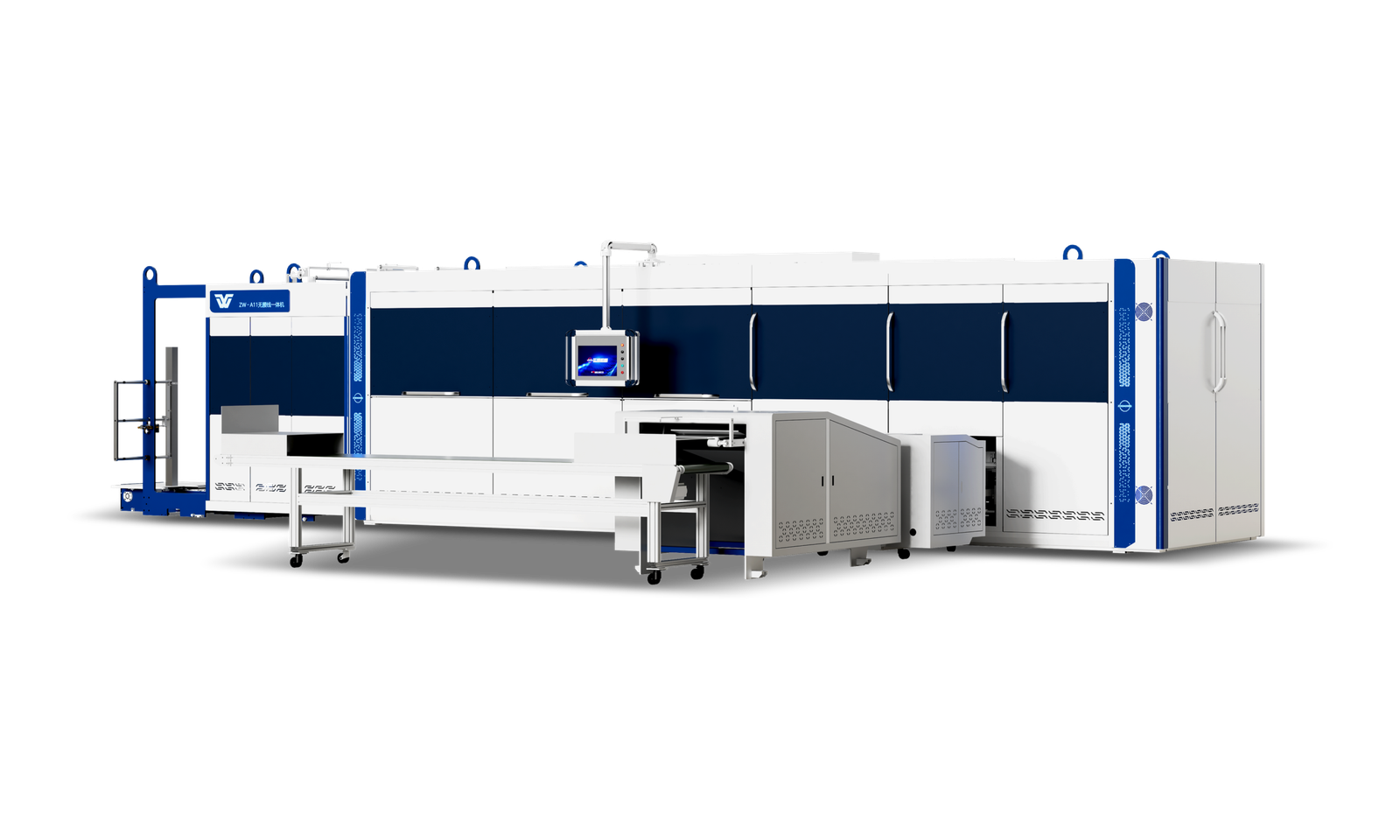 ZW-A14 MAX · flat rope handle, 250–600 mm, 35–38 /min
View machine →
ZW-A14 MAX
Promotional & Reusable
A different material and a different machine. Non-woven fabric and RPET, roll-fed instead of sheet-fed, formed into 3D square-bottom bags at 70–100 a minute — the reusable bag supermarkets and campaigns order by the pallet.
ZW-A14 MAX · flat rope handle, 250–600 mm, 35–38 /min
View machine →
ZW-A14 MAX
Promotional & Reusable
A different material and a different machine. Non-woven fabric and RPET, roll-fed instead of sheet-fed, formed into 3D square-bottom bags at 70–100 a minute — the reusable bag supermarkets and campaigns order by the pallet.
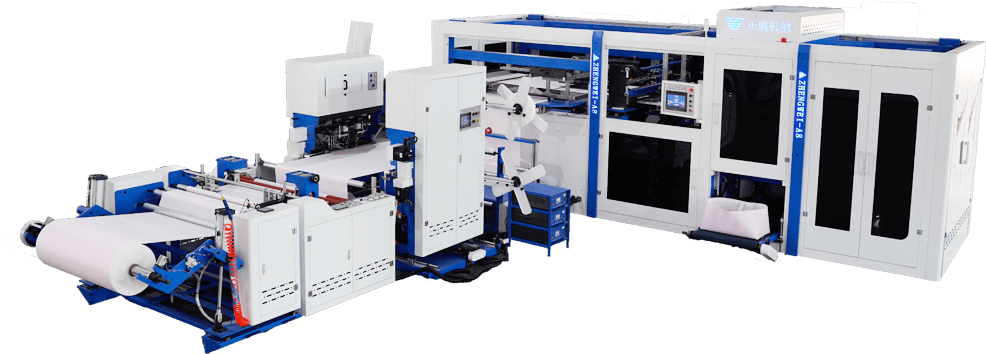 ZW-A8 · non-woven & RPET, 50–180 g/m², 70–100 /min
View machine →
ZW-A8
ZW-A8 · non-woven & RPET, 50–180 g/m², 70–100 /min
View machine →
ZW-A8
What “seamless” actually looks like
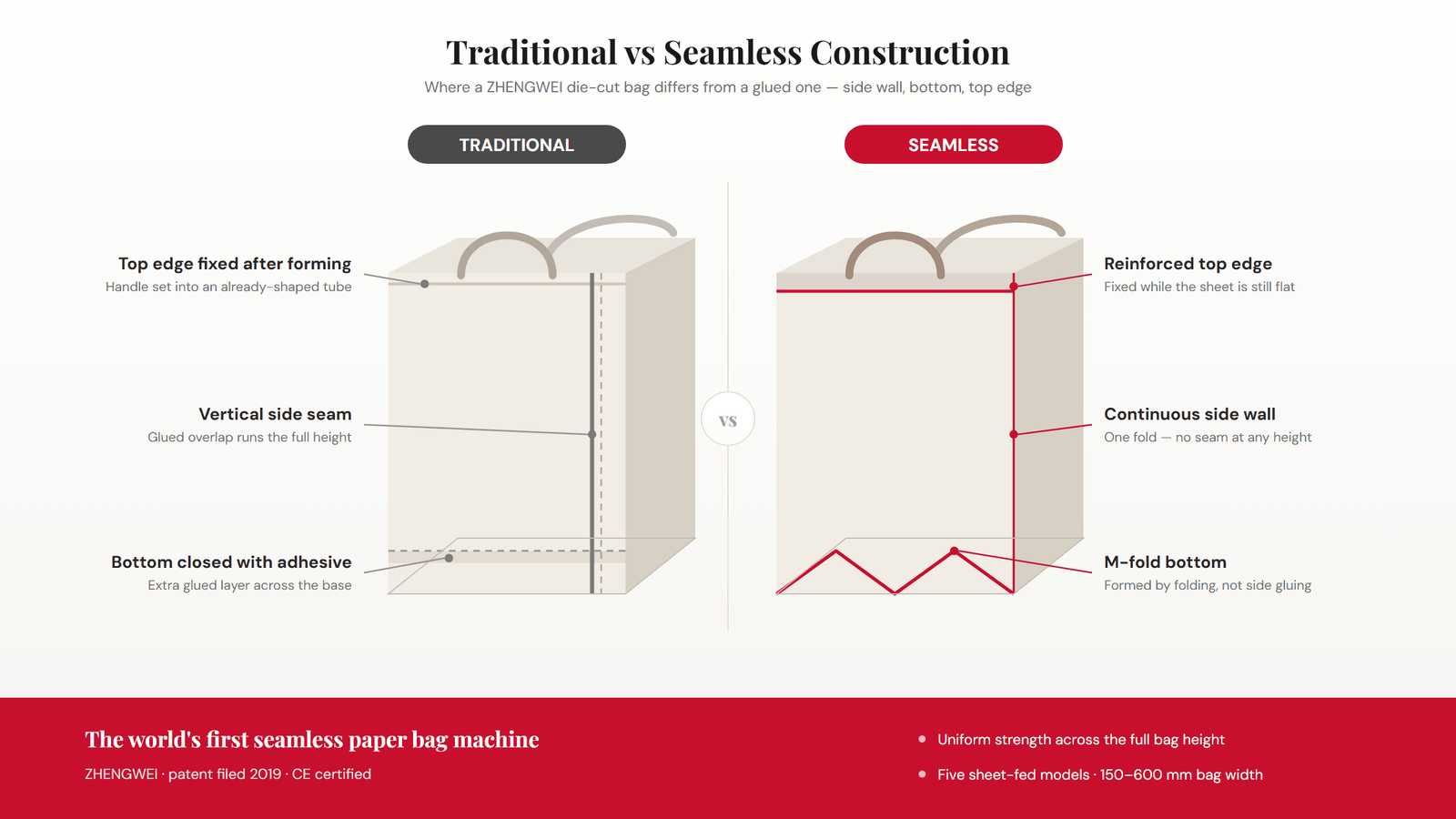
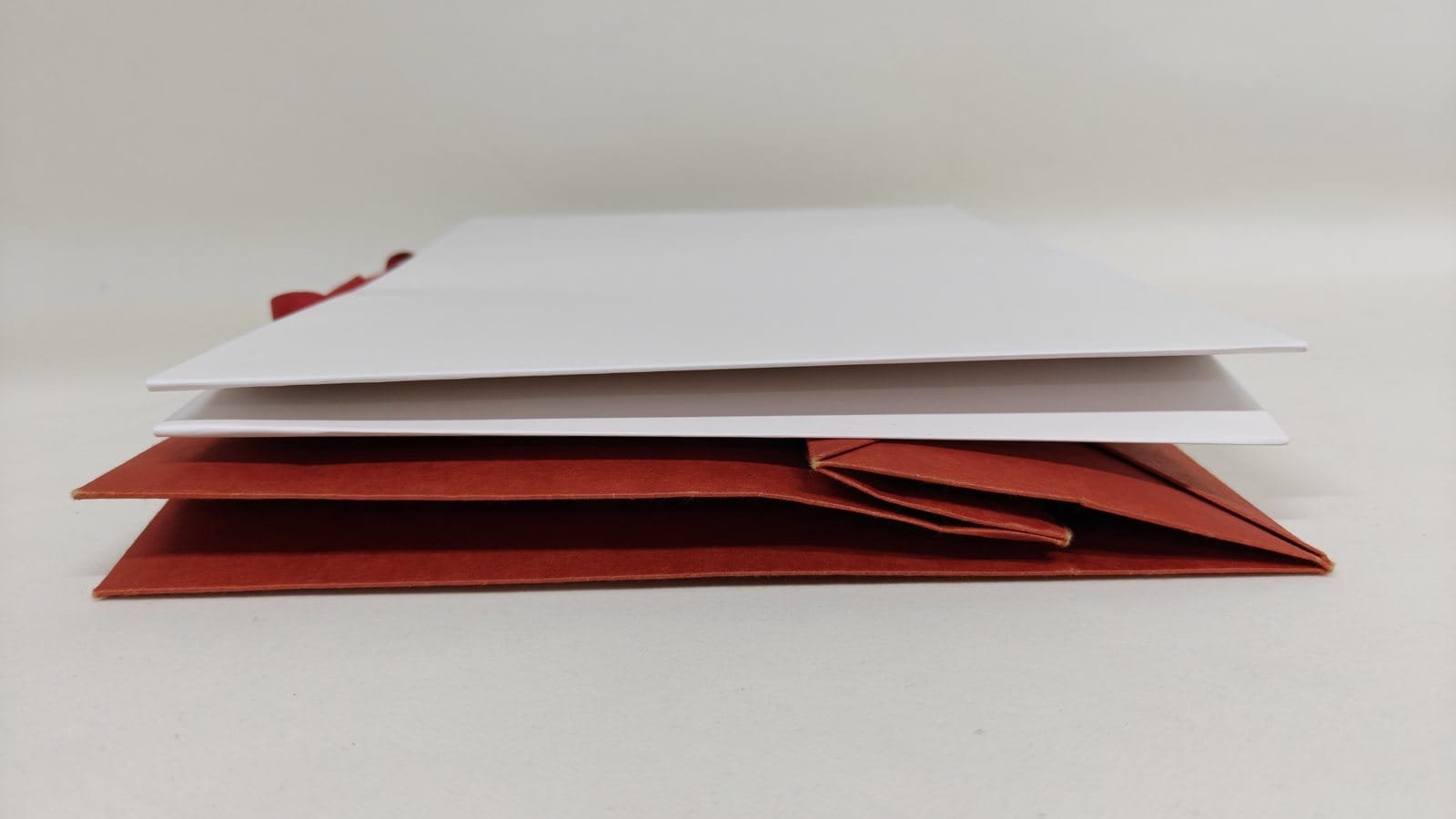
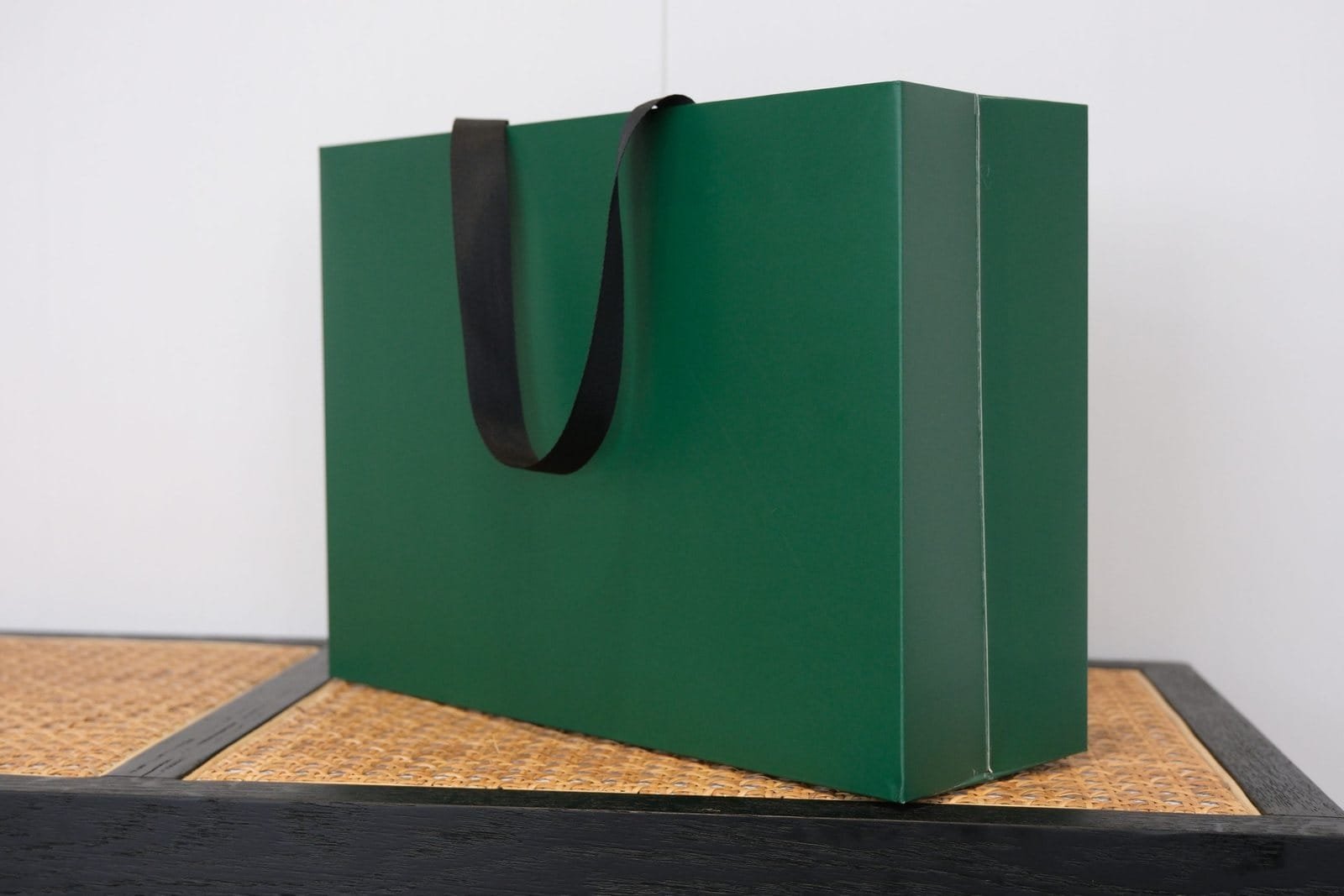
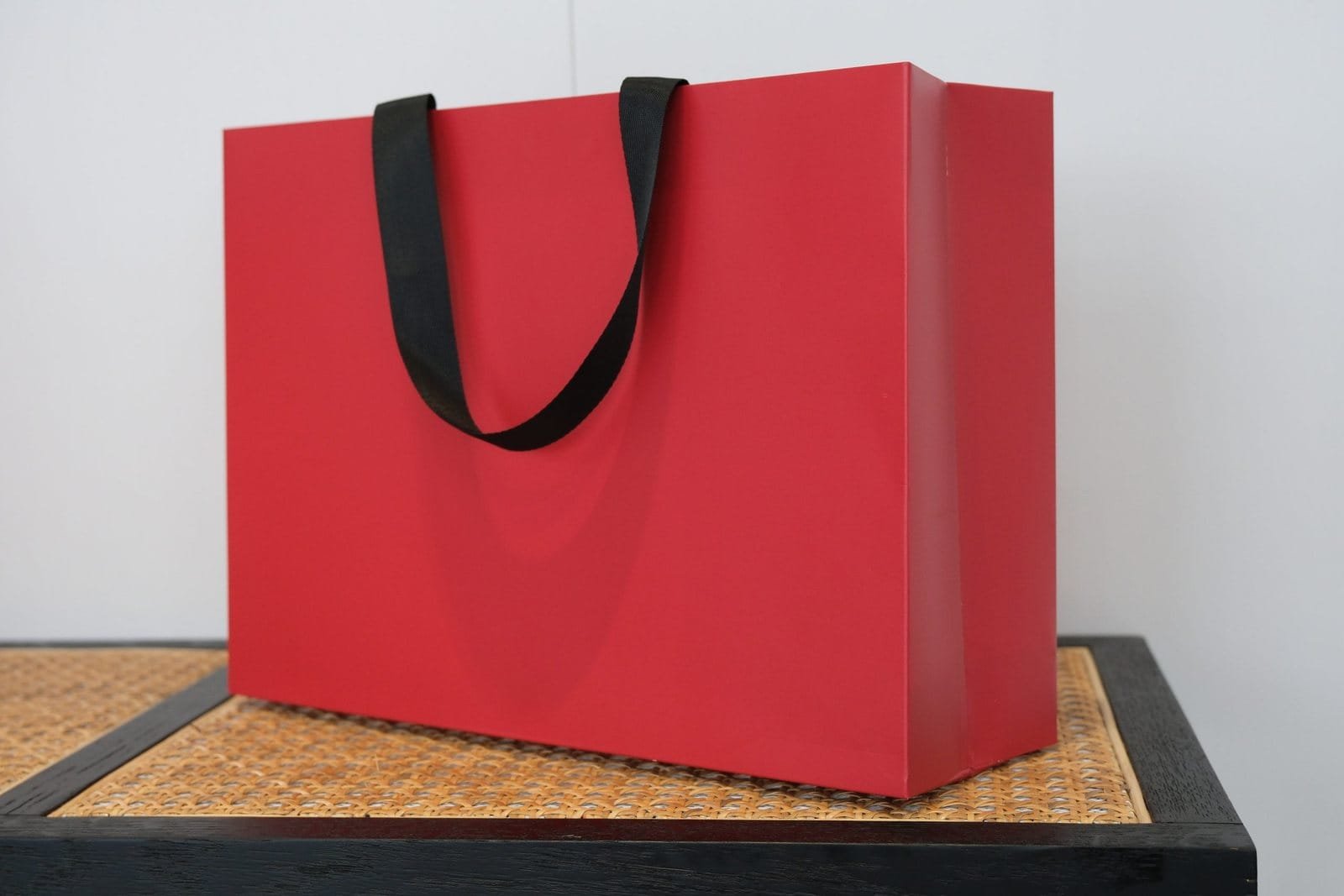
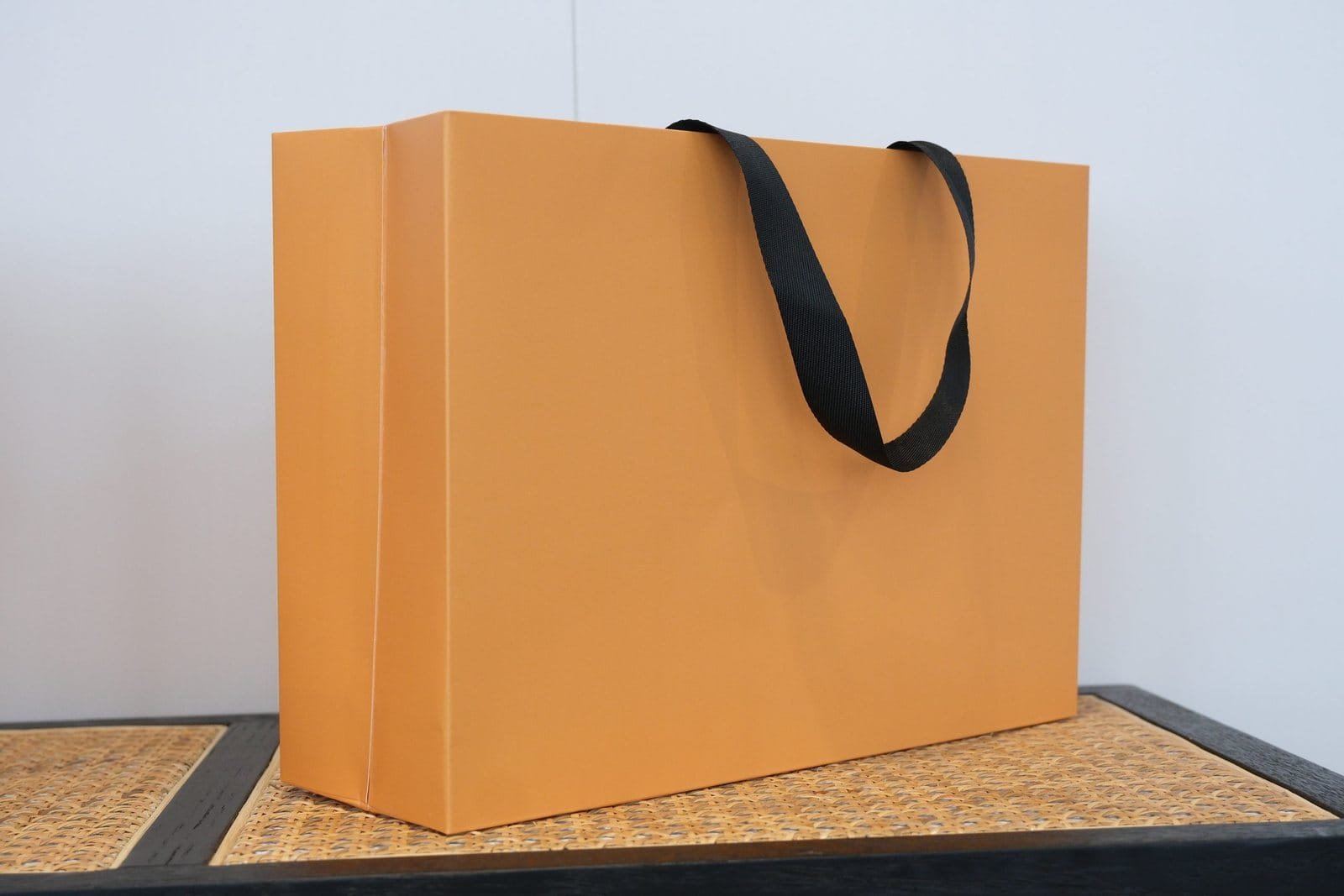
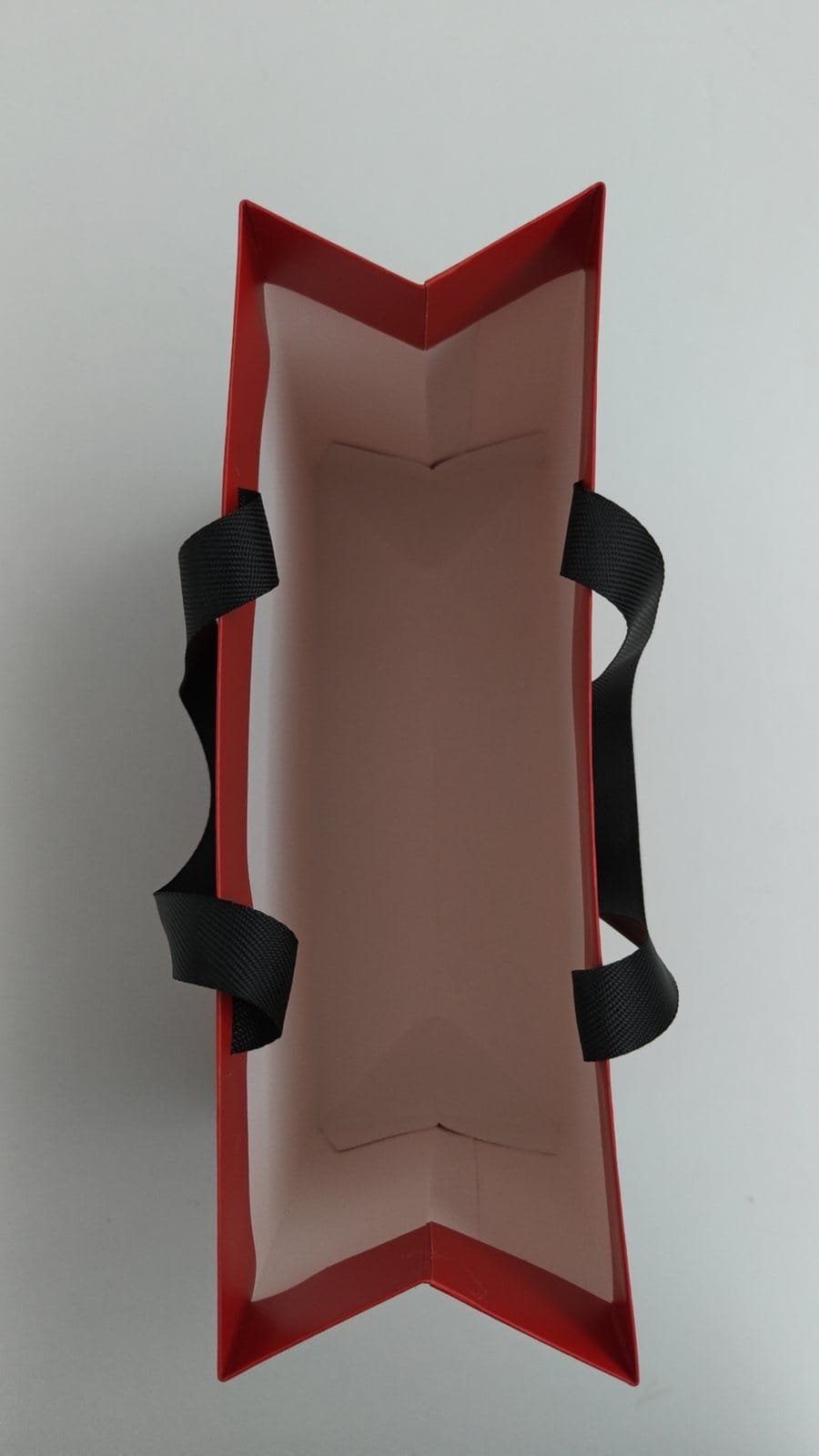
A conventional bag is formed from a glued tube, which leaves a vertical seam running down the side wall and a bottom closed with adhesive. ZHENGWEI’s patented die-cutting forms the side wall as a single continuous fold — no vertical seam line at any height — and folds the bottom into an M-fold rather than gluing it. Side by side, the difference is visible from across a room, and it is the reason the process exists.
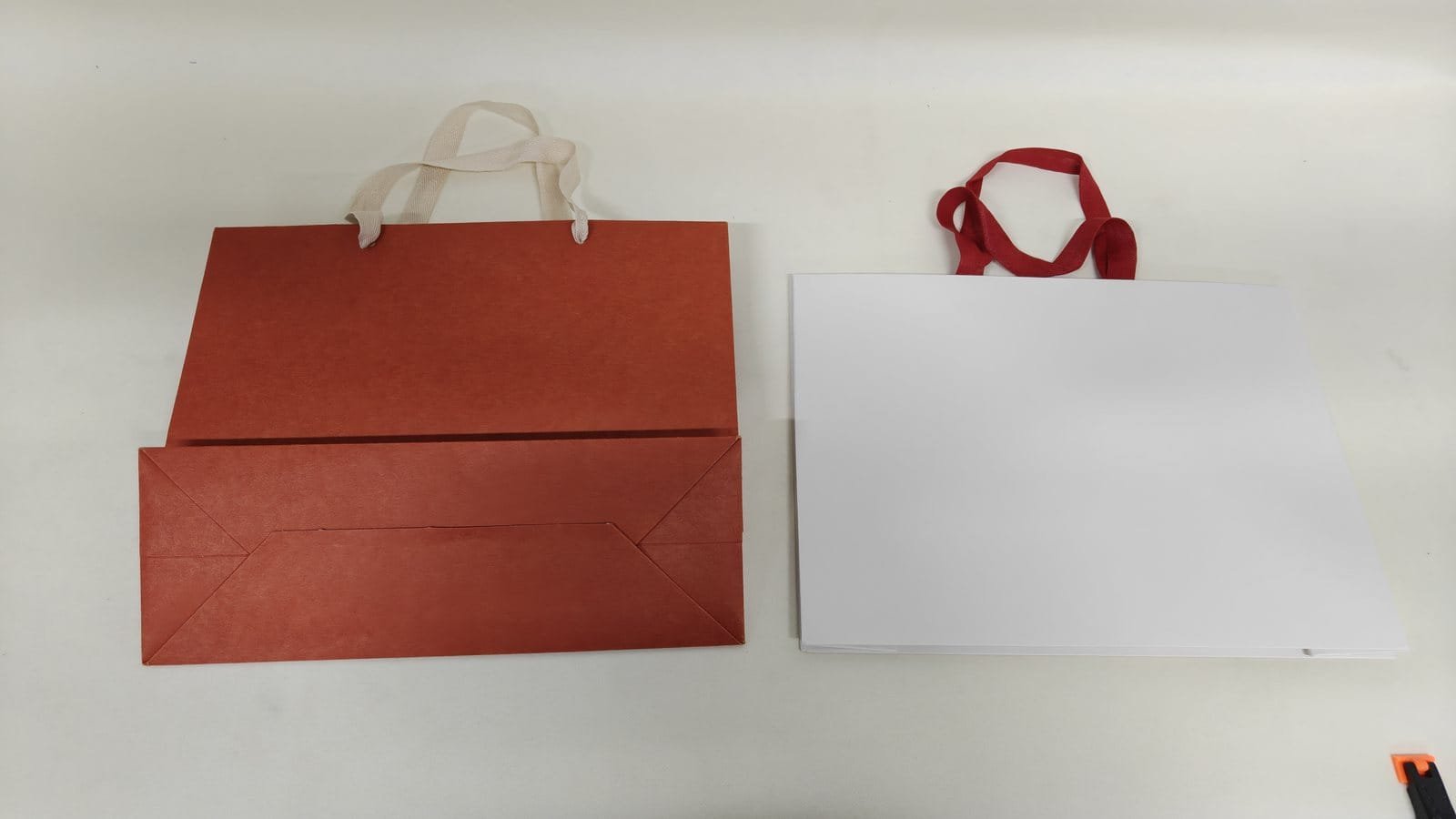
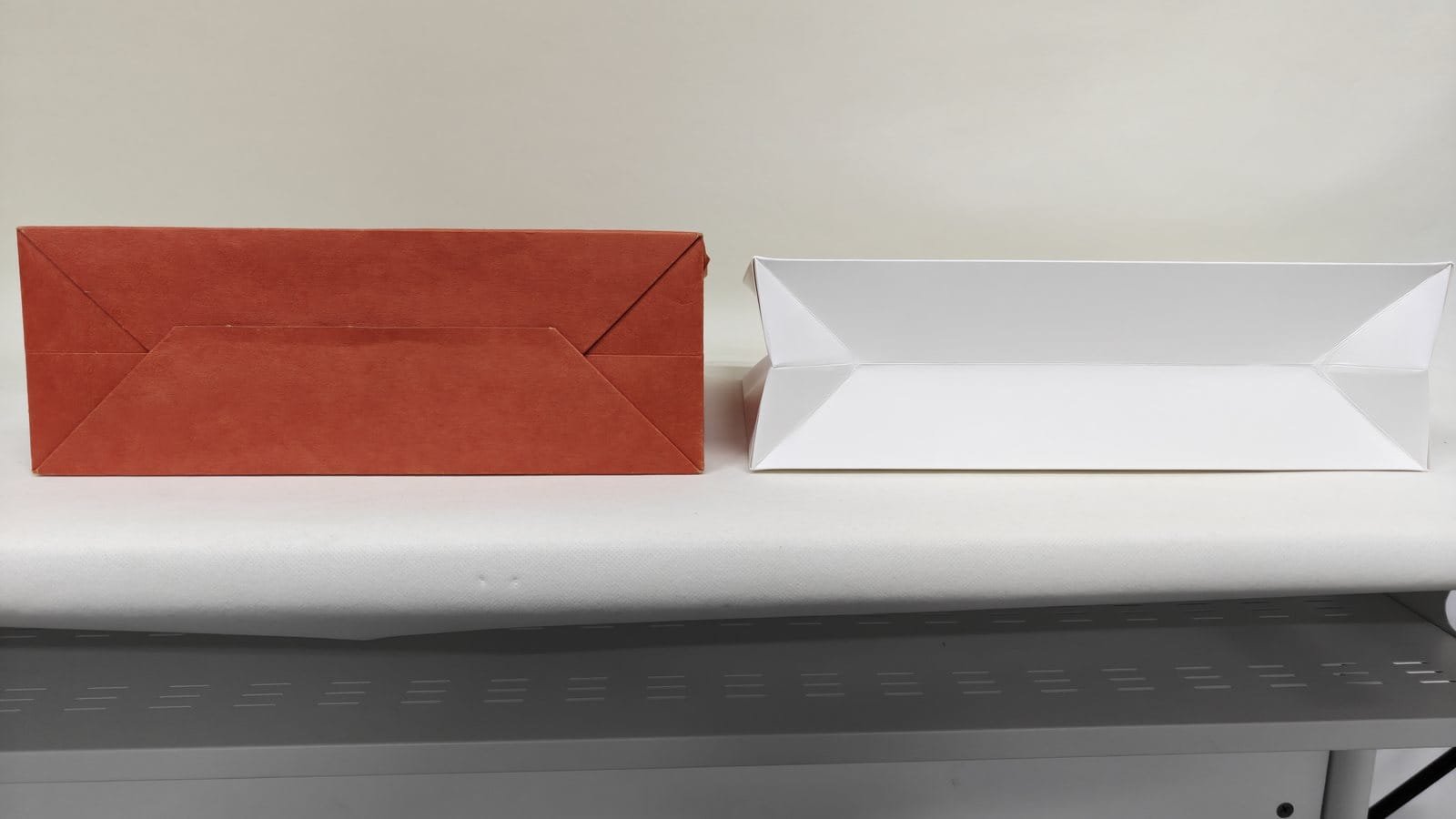
Flat rope handle bags
The most common luxury format: a woven ribbon or flat cotton handle set into a squared, rigid body. Three machines cover this style — the bag width you need decides which one.
Round rope handle bags
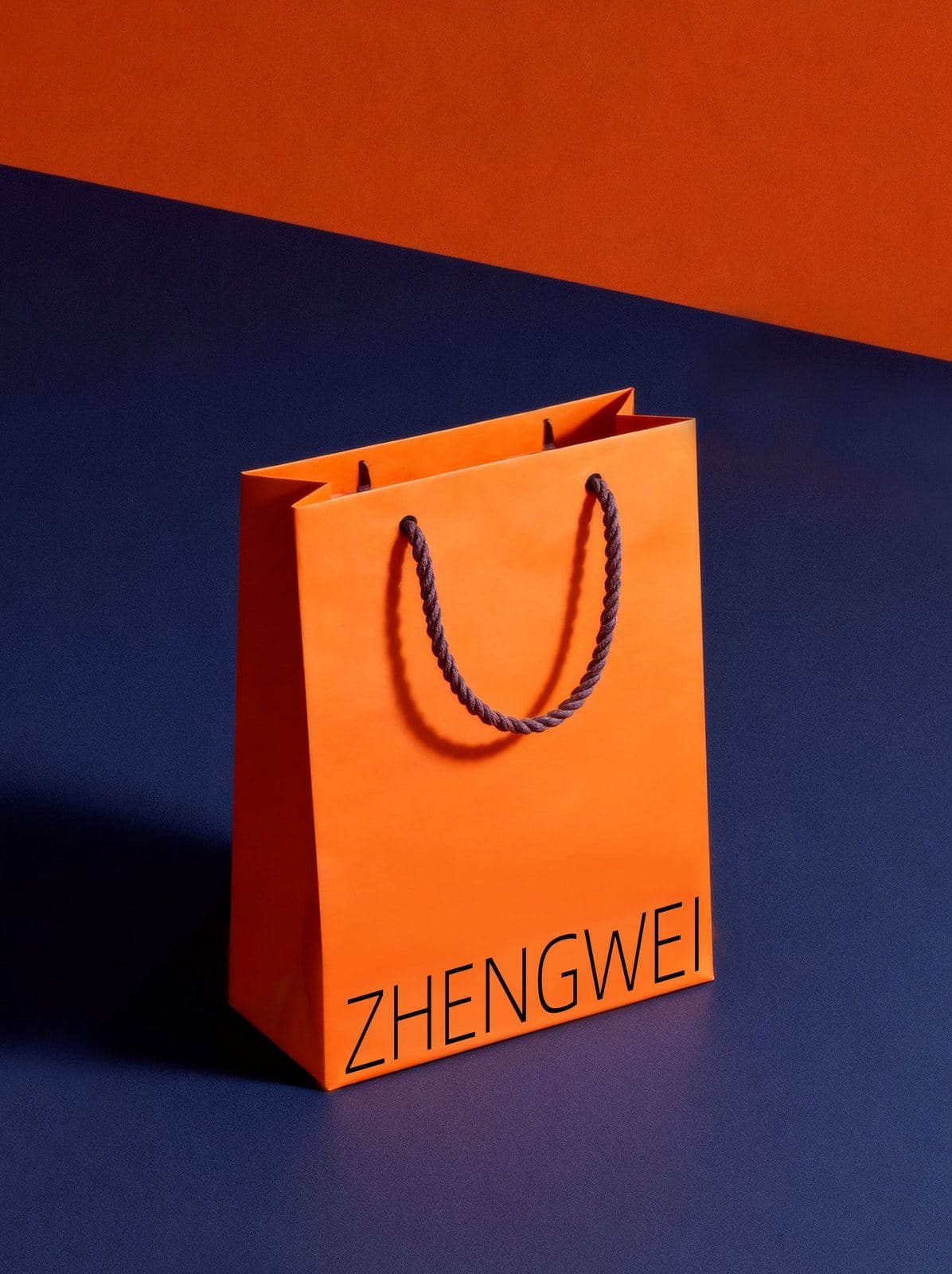
Twisted cotton or paper rope, knotted inside the mouth. It reads as more traditional than a flat ribbon and suits heavier loads. One machine covers this style, in bag widths from 200 to 500 mm.
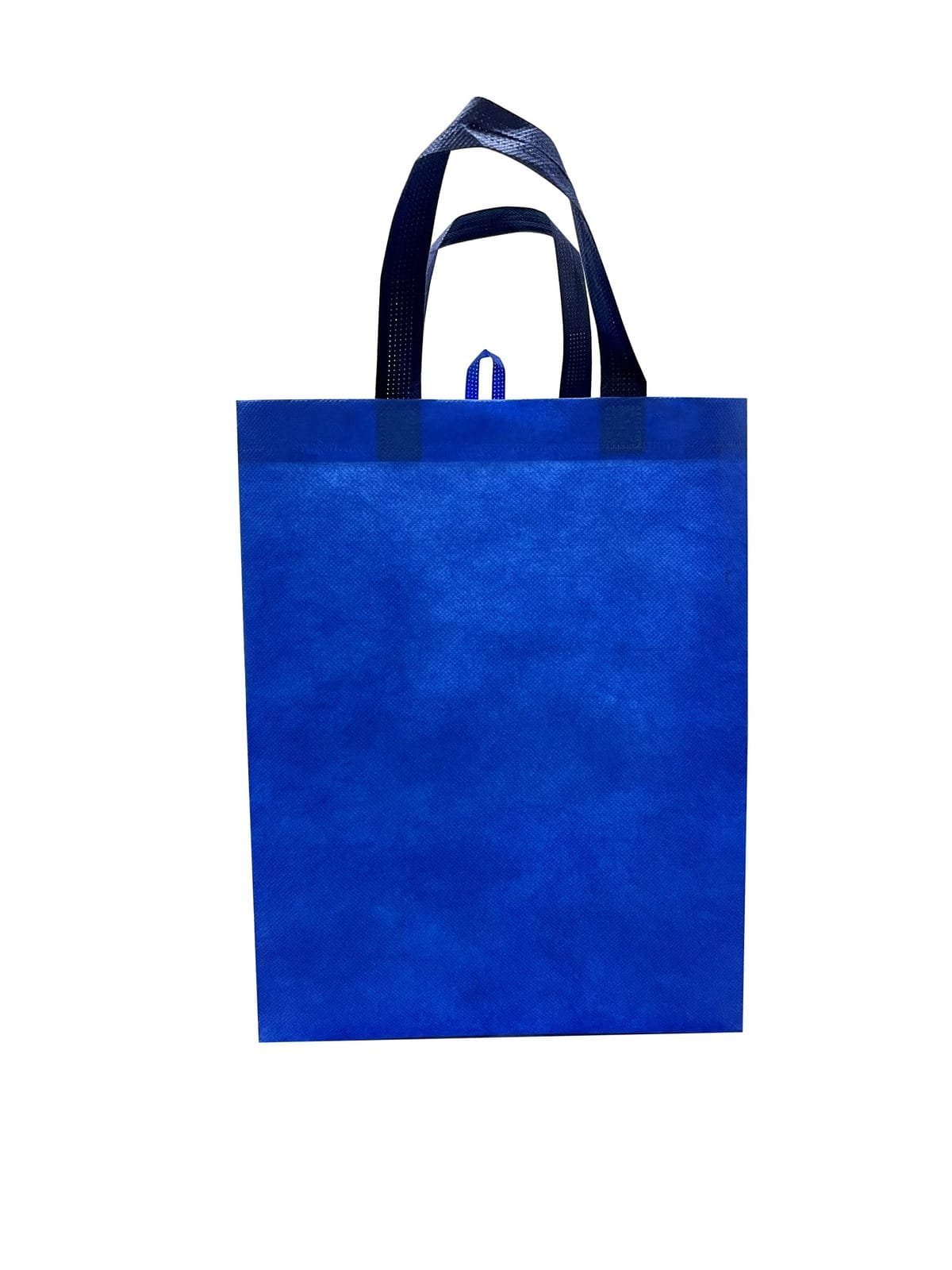
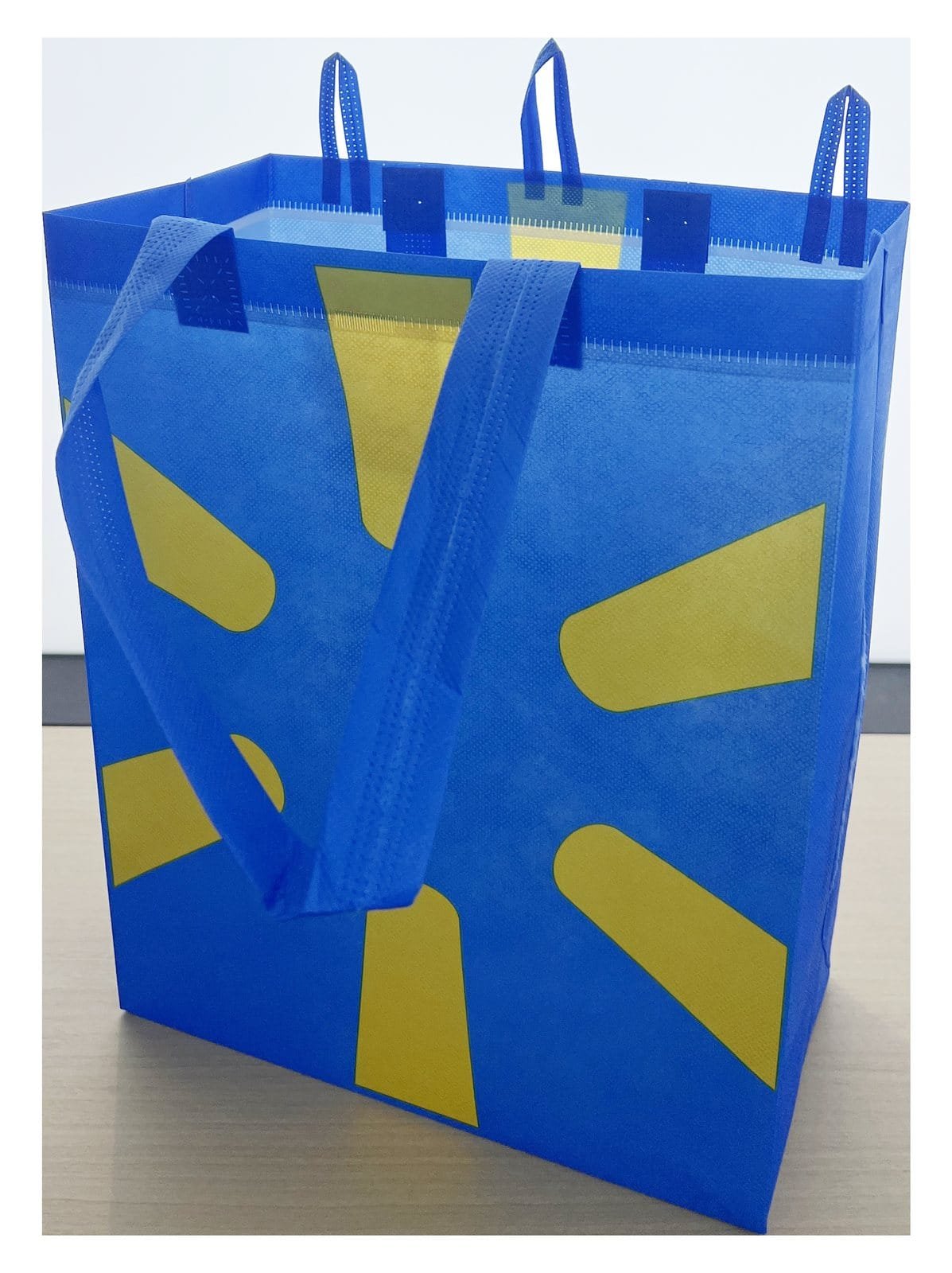
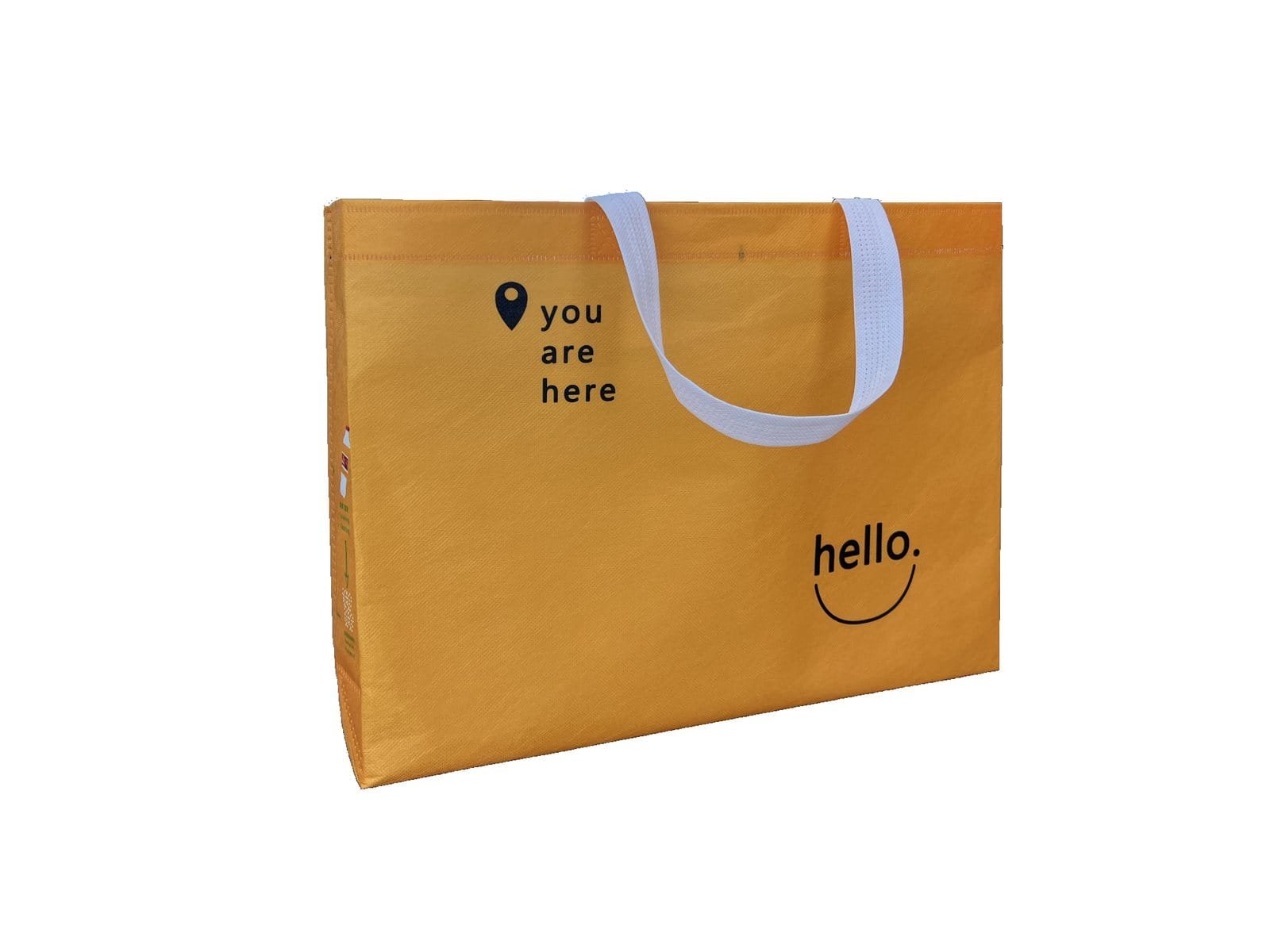
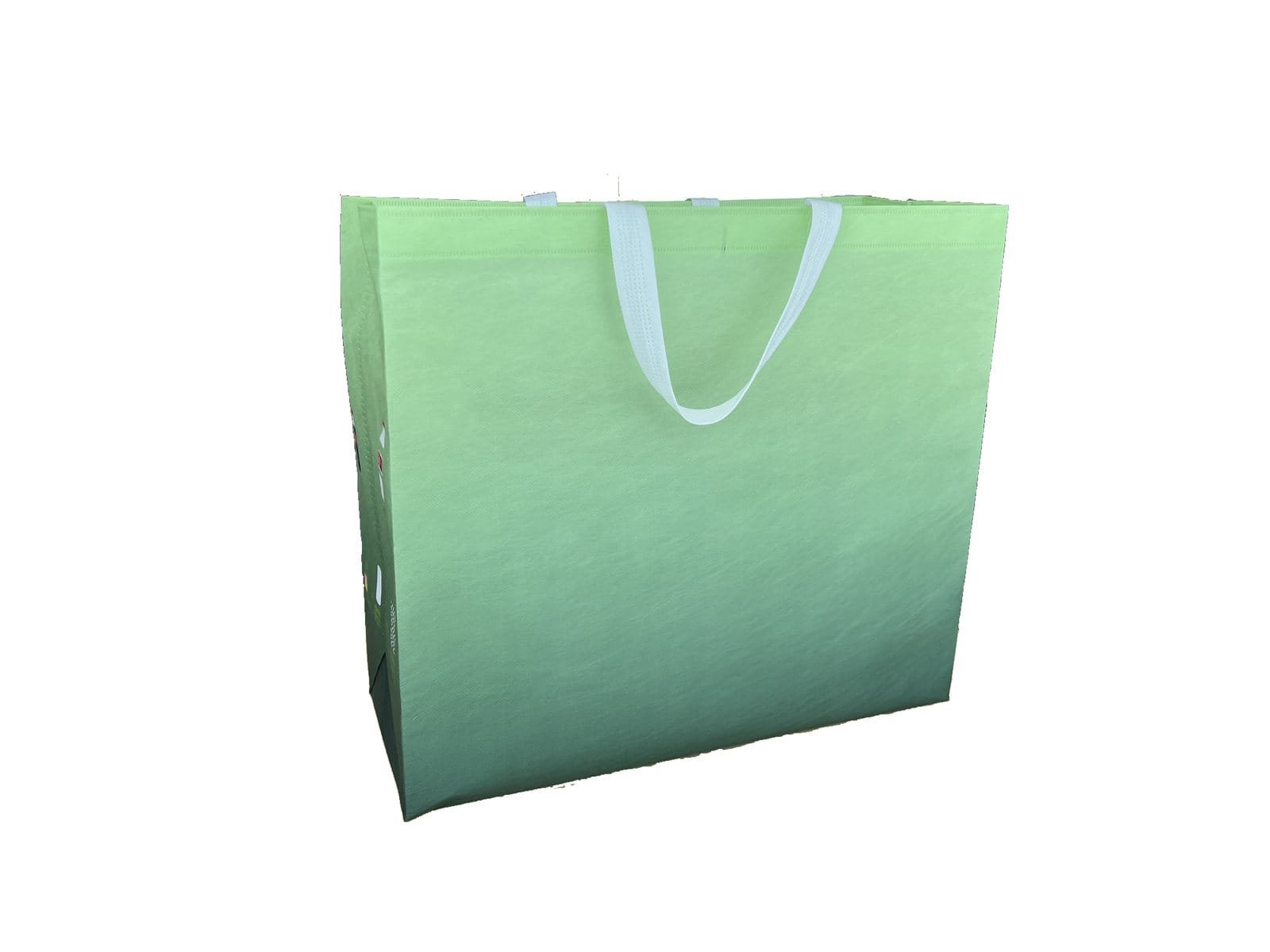
Non-woven bags
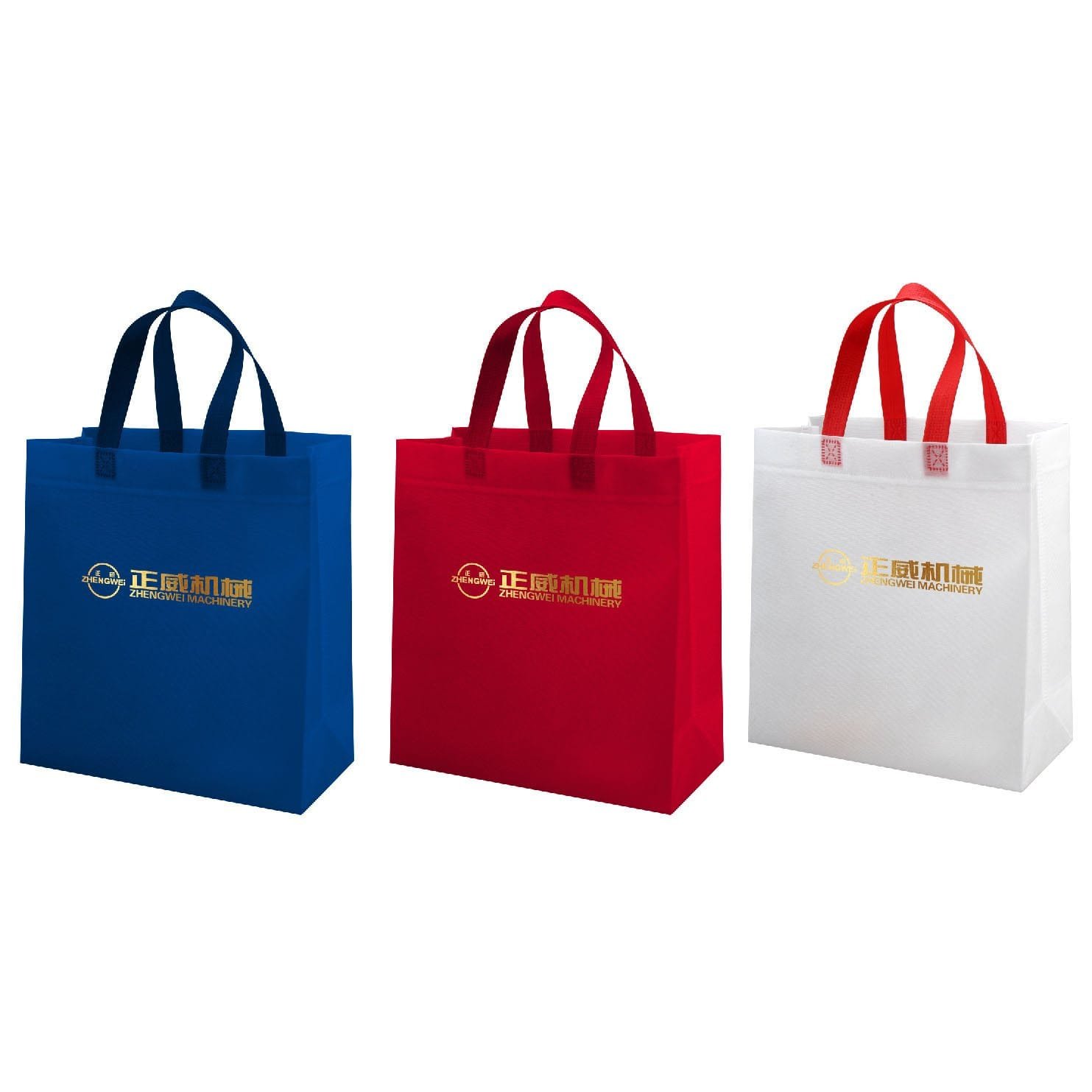
A different material and a different machine. The ZW-A8 forms 3D square-bottom bags from non-woven fabric and RPET, roll-fed rather than sheet-fed, at 70–100 bags per minute. These are the reusable promotional bags supermarkets and brand campaigns order in volume — including laminated, metallic and translucent finishes.
Which machine makes which bag
Handle type first, then bag width. Those two answers narrow the range to one machine in almost every case.
| Handle | Bag width | Material | Speed | Machine |
|---|---|---|---|---|
| Flat rope / ribbon | 150–300 mm | 180–300 g | 40–45 /min | ZW-A10 MINI |
| Flat rope / ribbon | 200–540 mm | 200–300 g | 40–45 /min | ZW-A11 |
| Flat rope / ribbon | 250–600 mm | 200–300 g | 35–38 /min | ZW-A14 MAX |
| Round twisted rope | 200–500 mm | 180–300 g | 40–45 /min | ZW-A13 |
| Twin / double handle | 200–540 mm | 200–300 g | 40–45 /min | ZW-A11 Pro |
| Non-woven, 3D square bottom | — | 50–180 g/m² non-woven & RPET | 70–100 /min | ZW-A8 |
Not sure which format fits your customer’s brief? Start from the handle-type breakdown, or see all five seamless models side by side.
Get these samples in your hands
We ship a physical sample pack free of charge — the seamless bag, a conventional bag for comparison, and whichever handle type or material you are quoting. Tell us the bag width and paper weight you work with and we will match the pack to it. Quotes come back within 24 hours.
Sample questions
Are the samples free?
Yes. We cover the bags; you cover the courier, or we ship on your freight account. Tell us the handle type and bag width you are working with so the pack is relevant rather than generic.
Can you make a sample in my own design?
Yes, for buyers at quotation stage. Send the artwork, the paper stock and the finished bag dimensions. Custom samples take longer than stock samples because the die has to be prepared, so ask early if a specific design matters to your decision.
What paper weights do these bags use?
Between 180 and 300 g depending on the machine — see the table above. Below that range the bag loses the rigidity that makes a luxury bag feel like one; above it, sheet handling and creasing become the limit. Non-woven and RPET bags run 50–180 g/m² on the ZW-A8 instead.
Do the bags come off the machine finished, or is there hand work?
Body forming, bottom folding and handle attachment all run inline. What you see in these photographs came off the line in that condition. Rope-threaded bags using cotton or ribbon handles that cannot be glued inline are a separate operation — see the rope threading machine.